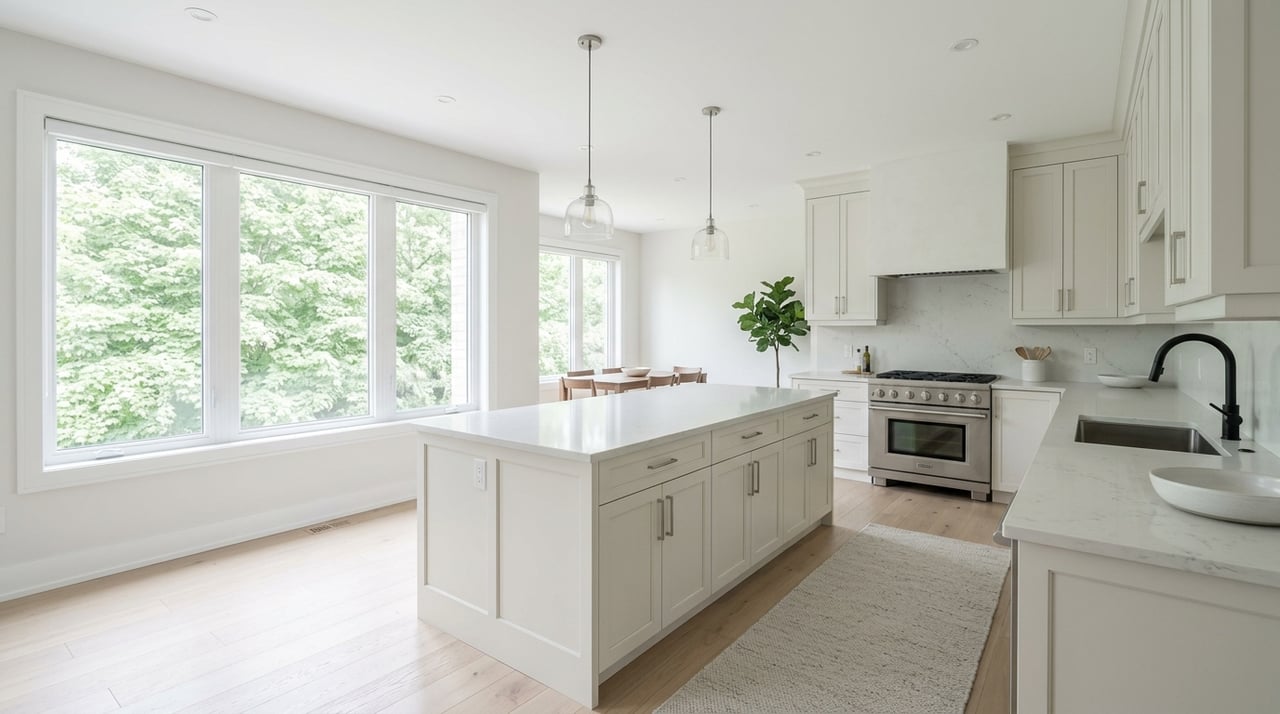
How to Plan a Move Up Home in Plymouth MN
If your current home no longer fits the way you live, you are not alone. Many Plymouth homeowners reach a point where they need more space, a different layout, or simply a better long-term fit, but figuring out how to sell and buy at the same time can feel like a lot. The good news is that with the right plan, you can make a move-up purchase with more clarity, less stress, and fewer surprises. Let’s dive in.
Plymouth is an established, largely owner-occupied community, which matters if you are planning your next step. According to U.S. Census QuickFacts for Plymouth, the city has 81,026 residents, 32,253 households, and a 75.1% owner-occupied housing rate.
That kind of stability often supports steady move-up activity. The same Census data shows that 88.9% of residents lived in the same house one year earlier, which tells you many homeowners stay put for a while before making a more intentional move.
Plymouth also offers a wide housing range. The city notes that its housing efforts support a broad mix of options and life-cycle housing, which is helpful if you are moving from a starter home into something that better matches your current needs.
One of the biggest mistakes move-up buyers make is relying on a single citywide number. In Plymouth, pricing can vary a lot depending on location, home type, and condition, so it is smarter to think in ranges.
Recent market data shows Plymouth remains active and relatively competitive. Redfin’s Plymouth housing market data reported a March 2026 median sale price of $510,500 with homes going under contract in about 27 days, while Zillow showed an average home value of $508,713 with homes pending in roughly 34 days.
If you are comparing areas within Plymouth, ZIP-level numbers are especially useful. Zillow reports an average home value of $618,877 in 55446 versus $493,662 in 55447, with pending times of 48 and 34 days respectively.
That gap matters when building your plan. A move from one part of Plymouth to another may require a much different budget than you expect, even if you are staying in the same city.
Before you browse homes online or tour properties, get clear on your likely buying power. For most move-up buyers, your next purchase depends on how much equity you can access from your current home.
A simple starting point looks like this:
The Consumer Financial Protection Bureau explains that home equity is the difference between your home’s current value and your remaining mortgage balance. The CFPB also notes that closing costs typically run about 2% to 5% of the purchase price, and down payments are usually at least 3% in most cases.
That means your available equity is not the same as your full home value. You will want a realistic net number so you can shop with confidence and avoid stretching too far.
This is usually the biggest question for Plymouth move-up buyers, and the right answer depends on your finances, timeline, and comfort with risk. There is no one-size-fits-all strategy.
If you sell first, you usually gain more certainty around your budget. You know your proceeds, you reduce the risk of carrying two homes, and you can make cleaner decisions when the right next property appears.
If you buy first, you may have more control over timing, but you could face more financial pressure. In a market where homes can move quickly, buyers often need to be ready to act fast, and NAR notes that delays can mean losing a home you want.
For many homeowners, the best path is not simply “sell first” or “buy first.” It is using the right contract structure and timeline so both sides of the move work together.
When you are selling one home and buying another, contract terms matter. The right contingencies can help protect your timing and reduce unnecessary overlap.
According to NAR’s guide to real estate contract contingencies, common tools include:
Each one serves a different purpose. For example, a home-sale or home-close contingency can help if you need proceeds from your current Plymouth home before completing your next purchase.
These terms need clear deadlines and realistic expectations. A strong move-up plan is often less about finding the perfect clause and more about choosing the right mix for your situation.
If you want to move up successfully, your current home needs to sell well. That means pricing it correctly, presenting it clearly, and dealing with obvious issues before buyers start walking through.
The National Association of Realtors pricing guide says pricing should be based on recent comparable sales, along with your home’s size, location, amenities, condition, and current market conditions. If speed matters, a more competitive price may make sense.
For presentation, both NAR and the Minnesota Attorney General’s seller guidance emphasize practical steps like cleaning, decluttering, improving curb appeal, and fixing noticeable problems. These are not glamorous tasks, but they can make a real difference.
Staging can also help buyers connect with the home. In NAR’s 2025 staging report, 83% of buyers’ agents said staging made it easier for buyers to visualize a property, 49% of sellers’ agents said staging reduced time on market, and 29% reported a 1% to 10% increase in offered value.
If you are selling a smaller or earlier-stage home and trying to appeal to move-up buyers entering Plymouth, not every update deserves your money. Usually, the best returns come from making the home feel clean, functional, and easy to understand.
Based on NAR’s staging findings, the rooms that often matter most are:
That does not mean you need a full renovation. Often, strategic improvements like decluttering, touch-up paint, lighting updates, and simple furniture placement do more than expensive projects with little broad appeal.
This is where a concierge-minded approach can be especially helpful. Coordinating staging, photography, repairs, and pre-listing prep in the right order can save time and keep your move-up timeline on track.
As you prepare to sell, do not overlook disclosures. Minnesota requires sellers to provide a written disclosure before signing an agreement to sell residential property, covering material facts known to the seller that could significantly and adversely affect use or enjoyment of the property.
You can review the state requirement in Minnesota Statute 513.55. The Minnesota Attorney General also notes that additional disclosures may apply depending on the property, and some cities require a Truth-in-Housing report.
The key takeaway is simple: do not assume every sale follows the exact same checklist. Your timeline should leave room to confirm what applies to your property and local process.
Most move-up transactions feel easier when you work backward from key milestones. If you wait until your home is listed to think about packing, repairs, disclosures, financing, and closing dates, the process can get stressful fast.
The Minnesota Attorney General recommends scheduling closing at least six weeks after the purchase agreement so both parties have time to complete their responsibilities. That is a helpful planning benchmark whether you are buying, selling, or coordinating both.
A practical timeline often includes:
In a market like Plymouth, where homes can move in a matter of weeks, giving yourself breathing room matters. A rushed plan can create expensive decisions.
A same-city move can look simple on paper, but the details still matter. If you are moving from one Plymouth area to another, differences in price points, lot sizes, age of housing, and available inventory can all affect your budget and timing.
That is especially true when comparing ZIPs like 55446 and 55447. The current value gap reported by Zillow suggests that staying in Plymouth does not always mean staying near the same price bracket.
For that reason, it helps to look at your move-up search through three lenses:
When those three pieces line up, your move tends to feel much more manageable.
Moving up is not just about buying a larger home. It is about coordinating two major financial decisions so your sale supports your purchase, your timing stays workable, and your next home truly fits your life.
That is why the planning stage matters so much. When you understand Plymouth’s price ranges, prepare your current home thoughtfully, and use the right timing tools, you can move with more confidence and a lot less guesswork.
If you are thinking about your next step in Plymouth, Nicole Stone can help you build a smart, low-friction plan for selling and buying with the support of a full-service, concierge-driven process.
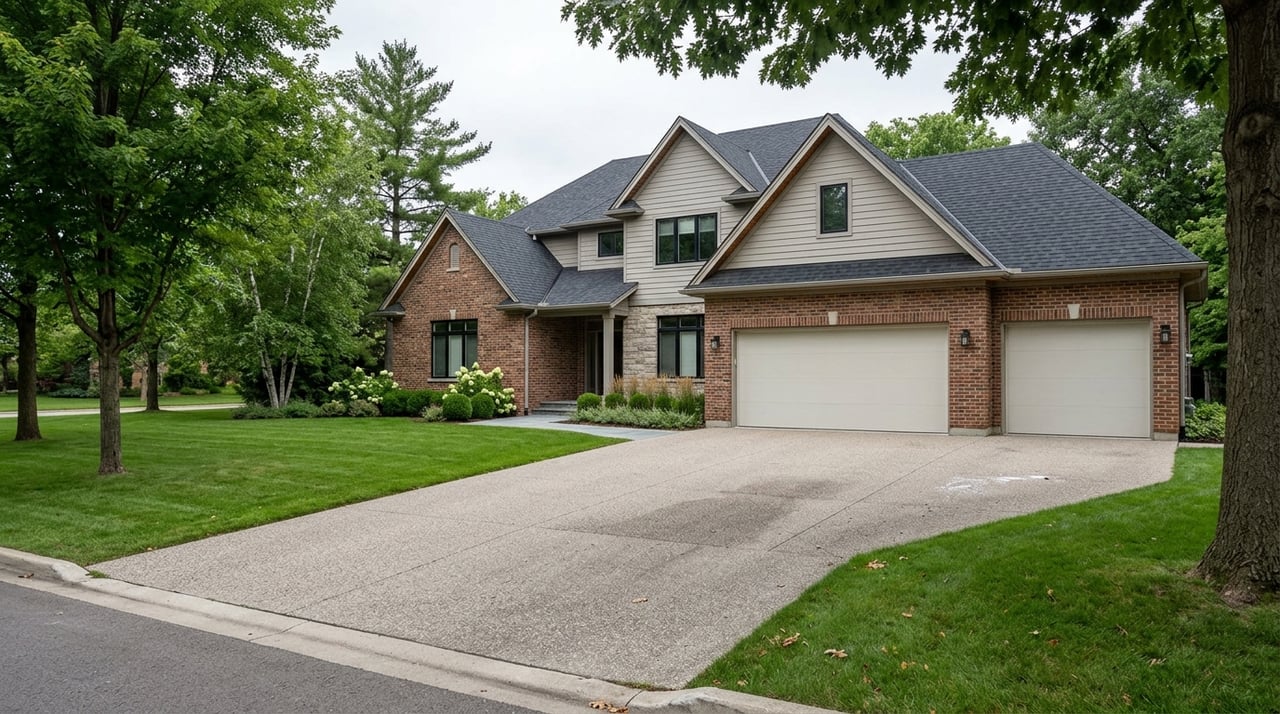

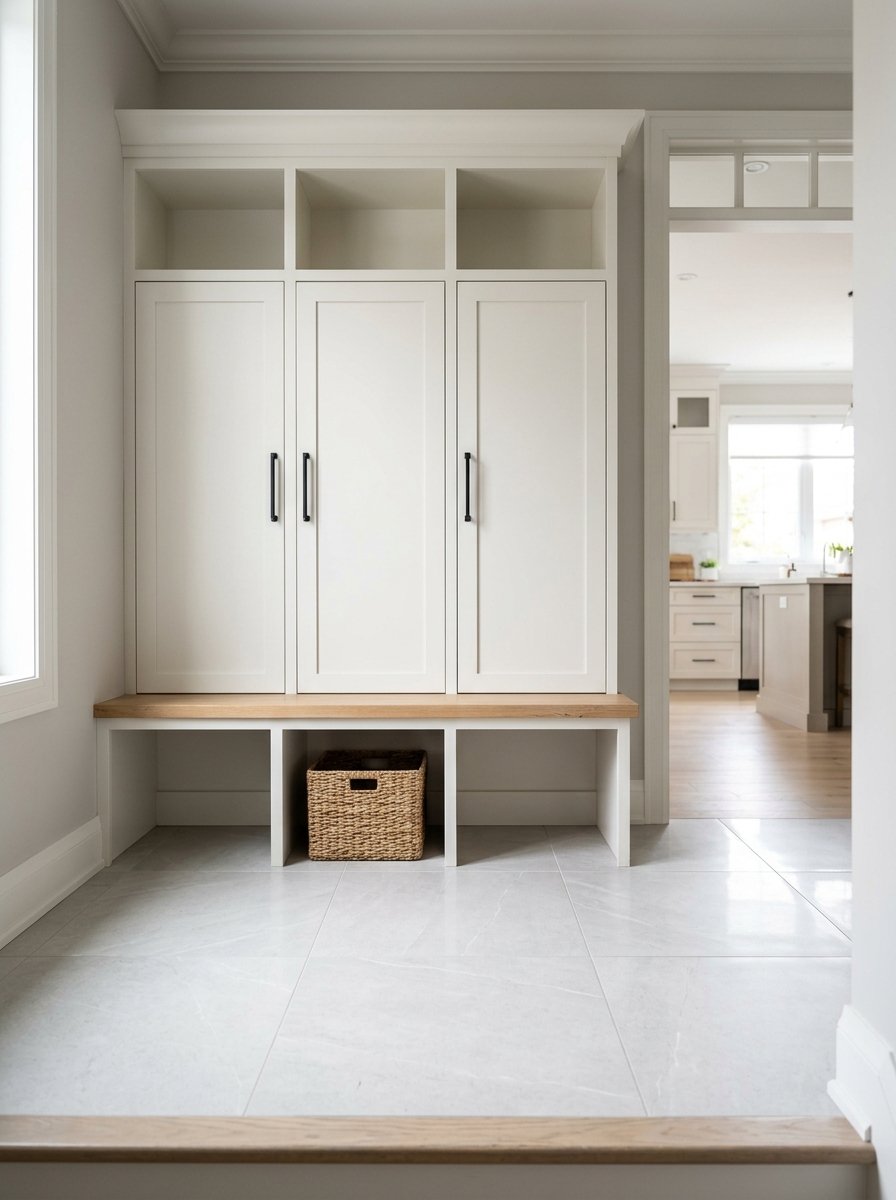
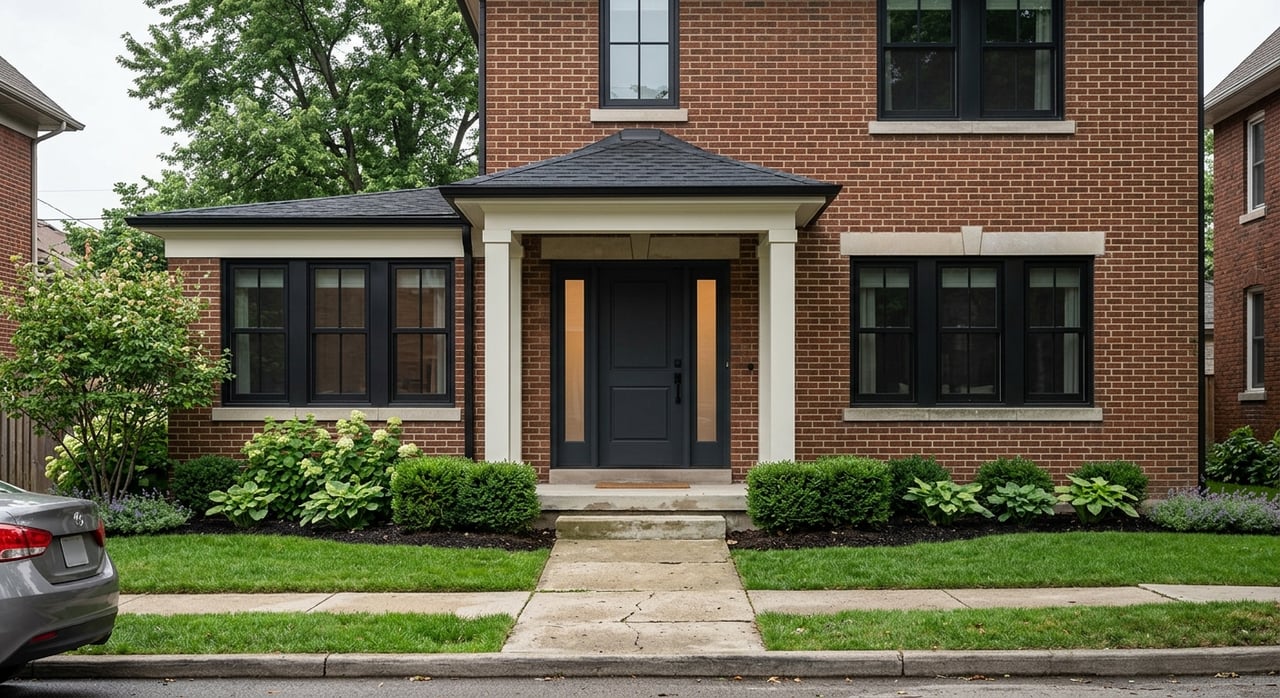
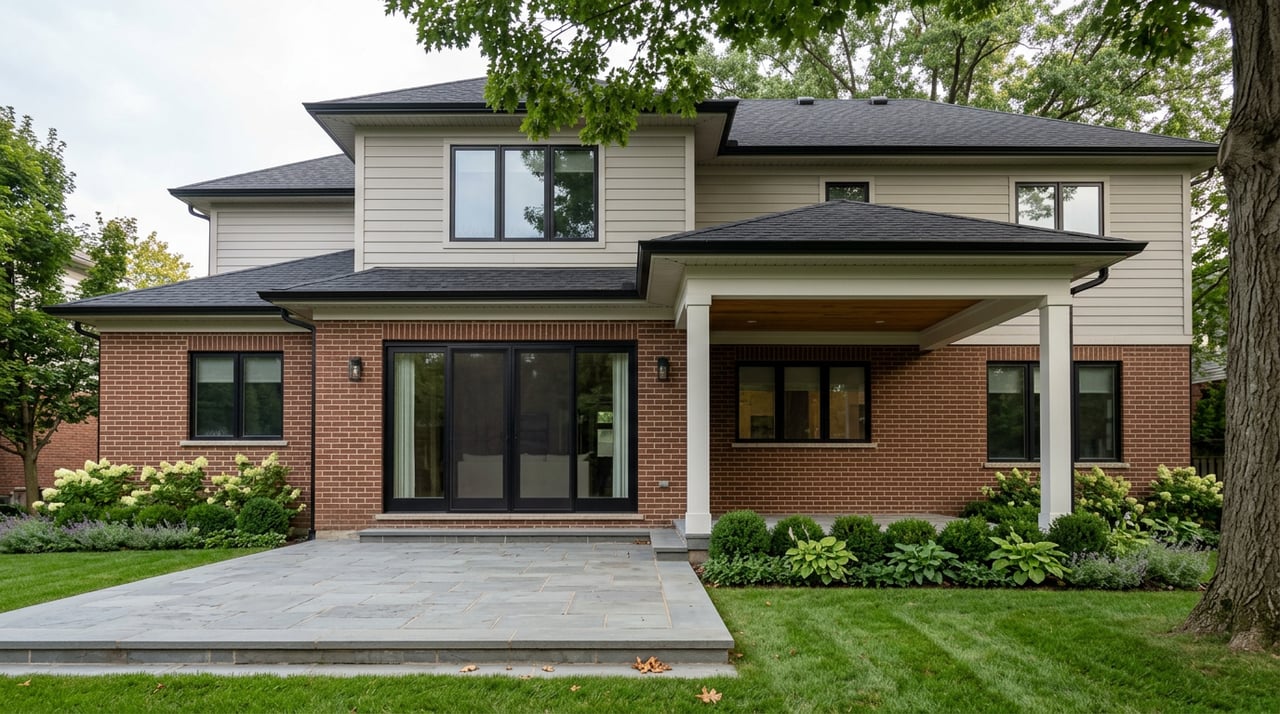
We pride ourselves in providing personalized solutions that bring our clients closer to their dream properties and enhance their long-term wealth. Contact us today to find out how we can be of assistance to you!