You have a full plate and a move on the horizon. Buyers will judge your home within seconds of seeing it online, so the way you prep and present it matters. This guide gives you a Plymouth-specific, concierge-style plan that gets you market-ready with minimal disruption. You will see what to do, in what order, and how to keep your time investment low while protecting your sale price. Let’s dive in.
Why concierge prep works in Plymouth
Plymouth is one of the Twin Cities’ larger suburbs, and homes here can move quickly when they show well. Recent portal snapshots report median sale prices in the mid to high $400s to low $500s and average marketing times around two months. Different sites calculate medians differently, so expect variation by source and season. The big idea is simple: in a competitive suburban market, strong presentation helps you stand out and shorten days on market.
Timing also matters. National analysis identified mid-April as the most favorable listing week in 2025 due to stronger buyer demand and fewer competing sellers. If you want to hit that spring window, a concierge plan helps you compress coordination, so you go live right when buyers are watching.
Finally, today’s buyers shop online first. High-quality photos, floor plans, and tours influence who schedules a showing. Staging supports that visual story. In the National Association of REALTORS 2025 Profile of Home Staging, 29% of agents reported staging produced a 1% to 10% increase in the dollar value offered, and 49% of sellers’ agents saw reduced time on market. The most important rooms to stage are the living room, primary bedroom, and kitchen. You do not need to stage everything to see impact. NAR’s 2025 staging findings and industry coverage reinforce that staging and professional photography are high-ROI priorities, though results can vary by home and price point. For a balanced take, see this Wall Street Journal report on staging value.
Your 4–6 week Plymouth plan
Below is a concierge-style timeline designed to protect your time and keep momentum. The goal is a clean, code-compliant home with a compelling online story.
Phase 0: Intake and target week
- Align on price strategy with a quick CMA and pick a go-live week, often mid-spring.
- Build a prioritized punch list: safety and permit items first, then cosmetic updates, then staging and media.
- Designate a single point of contact who will coordinate vendors and scheduling.
Phase 1: Safety, systems, permits
- Complete a rapid walk-through to flag major defects and order contractor bids.
- If work triggers permits, plan them before starting. The City of Plymouth enforces Minnesota State Building Code and issues residential permits for items like electrical, plumbing, mechanical, roofing, windows, siding, and additions. Review the city’s permits and inspections resources and contact the Building Inspection Division with questions.
- Verify contractor credentials. Minnesota licenses many trades, including residential building contractors, electricians, and plumbers. Confirm licensing and insurance and request written scopes and lien waivers. Learn more at the Minnesota Department of Labor and Industry’s licensing portal.
Why this matters: correct permits and licensed trades help you avoid closing delays, buyer concerns, and post-close liability.
Phase 2: Repairs and light upgrades
- Prioritize repairs that can block financing or fail inspections, such as roof leaks, electrical hazards, or water issues.
- Choose low-disruption updates with high impact: neutral interior paint, updated light fixtures, fresh cabinet hardware, grout cleaning, trim touch-ups, and targeted flooring fixes.
- Secure two to three bids per trade to keep costs competitive and schedules tight.
- If your home was built before 1978 and work will disturb painted surfaces, follow federal lead rules and provide buyers the required pamphlet and disclosures. See the EPA’s guidance on lead-safe renovation.
Phase 3: Declutter, deep clean, staging
- Declutter and depersonalize to open sightlines and start packing. Short-term storage and donation pickup simplify this step.
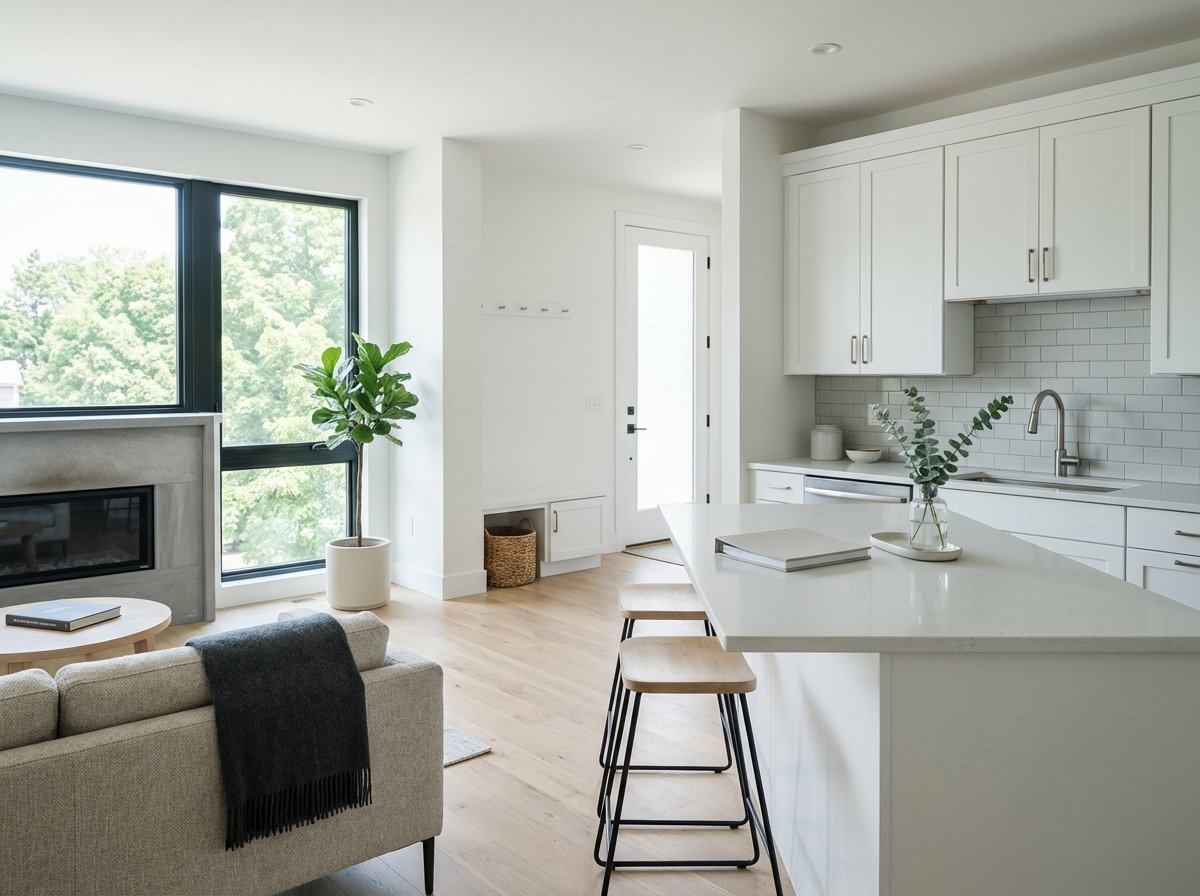
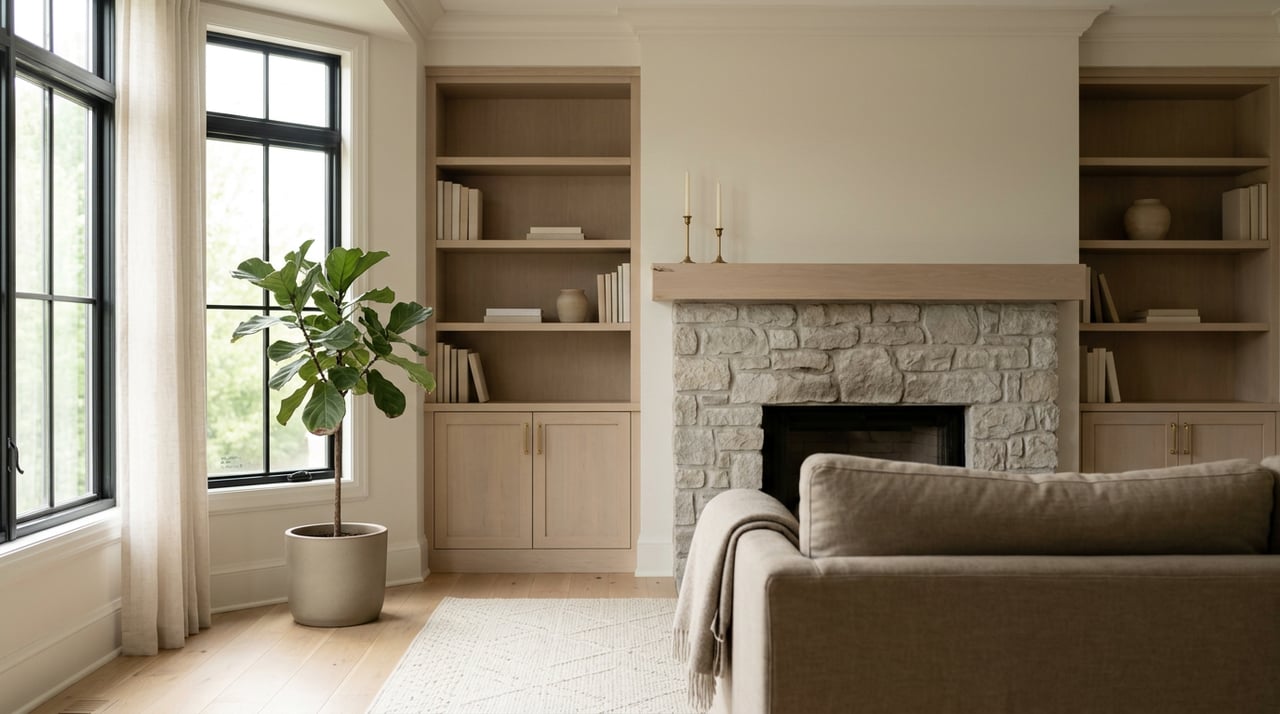
- Stage strategically. If budget is limited, focus on the living room, primary bedroom, and kitchen. Choose between occupied styling, partial staging, or full vacant staging based on condition and goals. NAR’s 2025 report shows staging often trims market time and can support stronger offers, with impact concentrated in key rooms.
- Plan staging installation 1 to 3 days before photography to keep the look crisp.
Phase 4: Photos, tours, listing copy
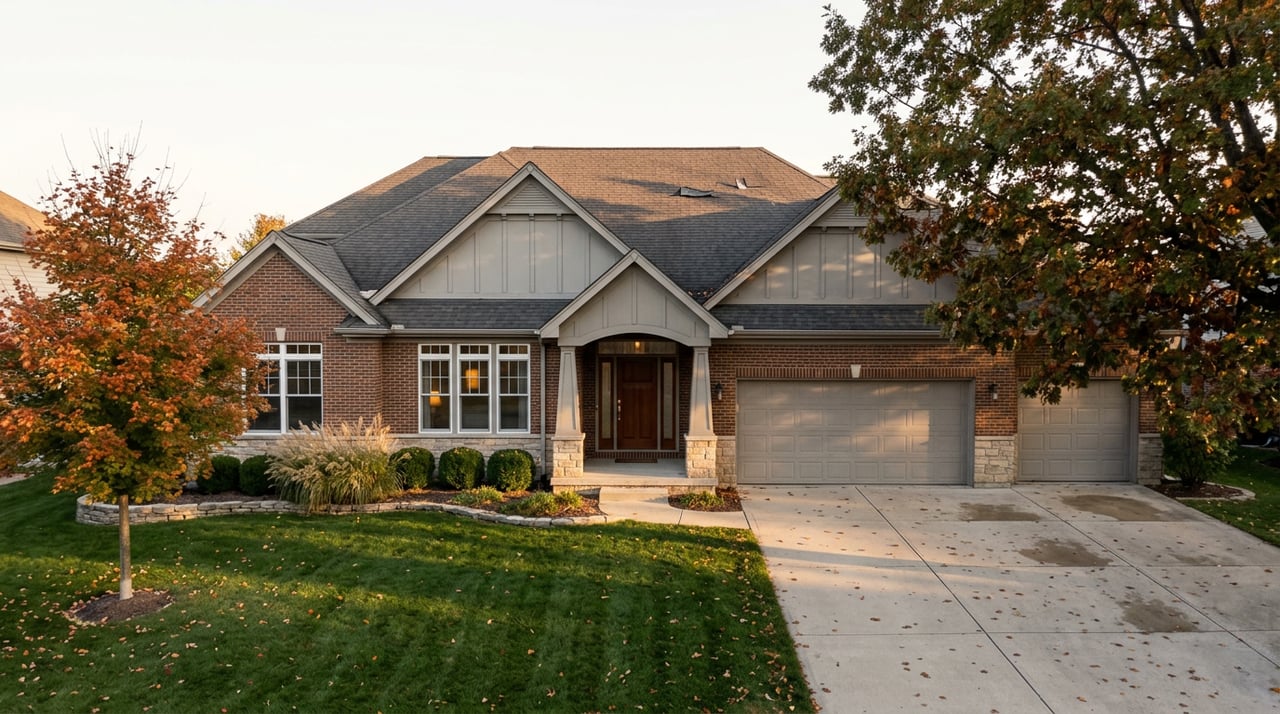
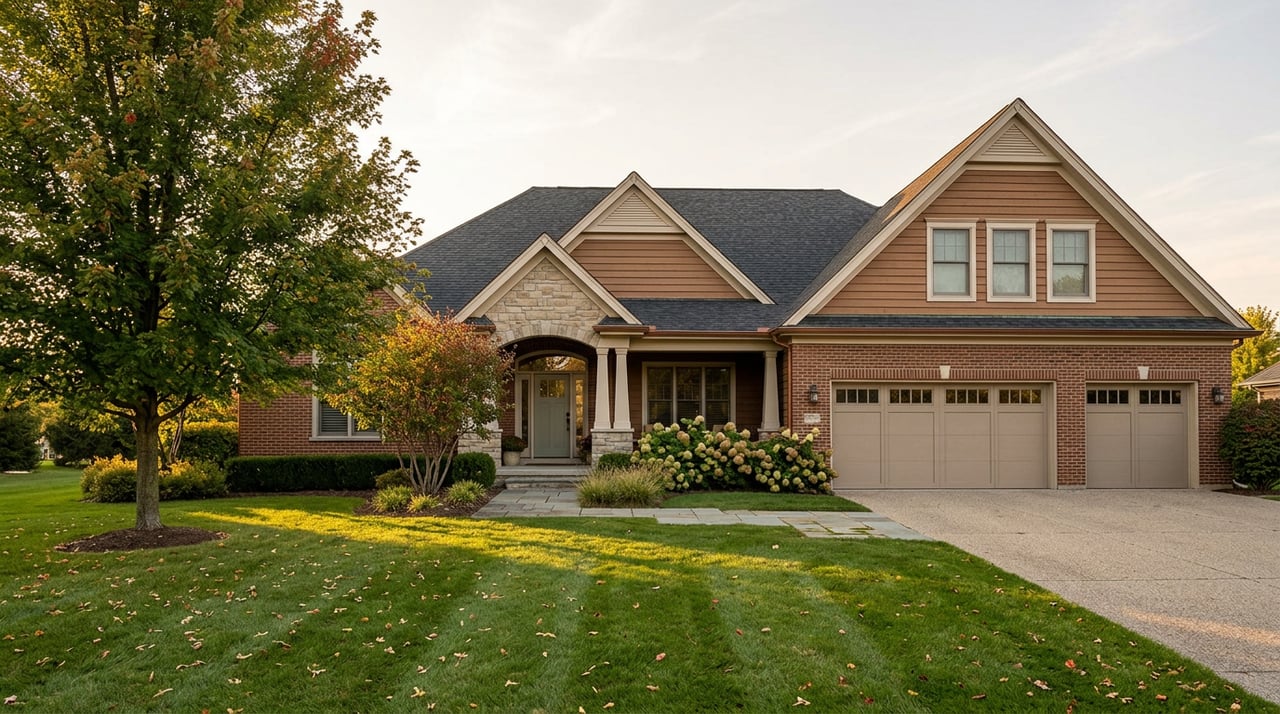
- Book a professional real estate photographer who can deliver HDR photography, a twilight lead image, and a floor plan or 3D tour when appropriate. Strong visuals are the number one online driver of showings.
- Finalize a unified story: feature order, room names, floor plan, and a concise, benefits-forward listing description.
Phase 5: Go live and show with ease
- Set up lockbox or showing platform access, plus clear showing instructions and pet plans.
- Prepare a clean-on-demand service for next-day showings and linens.
- Once offers arrive, coordinate responses, due diligence timelines, and any agreed pre-closing repairs or credits.
What it might cost
Every home and scope is different, but here are common ranges seen in industry sources. Always obtain local bids.
- Professional staging. A consultation or occupied styling can be a few hundred dollars. First-month professional staging packages for single-family homes often range from 1,000 to 4,000 dollars or more depending on size and whether furniture rentals are needed. See NAR’s staging overview and 2025 snapshot for market context.
- Photography and virtual assets. Basic packages often run from a few hundred dollars, with add-ons like drone, video, 3D tours, and floor plans pushing total media costs higher. Media scope should match price point and competitive set.
- Minor pre-list repairs. Cosmetic paint, lighting, hardware, grout, and small trades can range from several hundred dollars up to several thousand based on scope and materials. Larger systems like roofing or HVAC require licensed contractors and permits and can be significantly higher. Always seek three bids and define timelines in writing.
Pay now or pay at close
You have options for how to cover pre-list work:
- Pay-up-front. You pay vendors directly while a concierge coordinates the work. This keeps costs transparent and avoids any fees that can come with deferred payment.
- Third-party pay-at-close programs. Some national vendors and broker partnerships offer turnkey pre-list renovations with payment due at closing. These can be convenient if you want one provider to manage scope, though you repay costs from sale proceeds. For background, see this overview of a national partnership with a pay-at-close provider from Florida Realtors and a company profile for additional context. Review fees, minimums, and timelines before you decide.
If you are unsure which path fits your goals, a simple cost-versus-timing conversation can clarify the tradeoffs for your home and target market window.
Local rules and disclosures to know
- Minnesota written disclosure. Minnesota law requires sellers to disclose in writing any known material facts that could adversely and significantly affect an ordinary buyer’s use or enjoyment of the property. See Minn. Stat. §513.55. Make disclosures in good faith based on your best knowledge.
- Permits and inspections. The City of Plymouth follows the Minnesota State Building Code for common residential work. Before you start, review permit needs and inspection scheduling with the city’s Permits and Inspections office.
- Contractor licensing. Verify that your contractors hold appropriate Minnesota licenses and carry insurance. Start with the state’s DLI licensing portal.
- Lead-based paint. For homes built before 1978, provide the EPA/HUD pamphlet and use lead-safe practices for paint-disturbing work. See the EPA’s guide on renovation and lead.
Quick checklist
- Pick your target live week, ideally spring if you want to ride higher demand.
- Book a pre-list consult and request a staging estimate.
- Order three contractor bids for code or inspection items, verify licensing and insurance, and confirm permit pulls.
- Declutter, schedule storage pickup, deep clean, and stage priority rooms: living room, primary bedroom, kitchen.
- Book a professional photographer for after staging and add a floor plan or 3D tour if appropriate.
- Prepare and deliver your written seller’s disclosure and required federal pamphlets, including lead when applicable.
Make it easy on yourself
If you want the results without the juggling, our team can coordinate the moving parts for you. We handle the pre-list plan, staging strategy, vendor scheduling, donation and consignment logistics, professional photography, and a polished marketing launch. Ready to go market-ready the easy way in Plymouth? Schedule a Free Consultation with Nicole Stone to get started.
FAQs
What is concierge listing prep for Plymouth sellers?
- It is an end-to-end, agent-managed process that handles planning, repairs, staging, media, and launch, so you spend less time coordinating and your listing shows at its best in the Plymouth market.
How long does a concierge prep timeline take?
- Most homes can be ready to list in about 4 to 6 weeks, depending on scope, contractor availability, and whether permits are needed for repairs.
Which rooms should I stage if my budget is limited?
- Focus on the living room, primary bedroom, and kitchen, which buyer agents rank as most influential for offers and time on market according to NAR’s 2025 staging report.
Do I need permits for pre-list repairs in Plymouth?
- Many items do, including electrical, plumbing, mechanical, roofing, windows, siding, and additions. Check the city’s permits and inspections page before starting work.
What disclosures are Minnesota home sellers required to provide?
- Minnesota law requires a written disclosure of known material facts that could adversely and significantly affect an ordinary buyer’s use or enjoyment. See Minn. Stat. §513.55.
Can I pay for prep work at closing instead of upfront?
- Some third-party vendors offer pay-at-close models where costs are reimbursed from sale proceeds, often with fees or minimums. Review terms carefully and compare to paying upfront to decide what fits your goals.