Leave a Message

Thank you for your message. We will be in touch with you shortly.

Southwest LRT: What It Means For Minnetonka Buyers

Thinking about buying in Minnetonka and wondering how the Southwest Light Rail Transit might change your day to day? You are not alone. The Green Line Extension promises new ways to get around, but it also brings trade offs that can affect commute times, walkability, noise, and resale. In this guide, you will learn what to check, how to test your commute, and which factors matter most for long term value. Let’s dive in.

Southwest LRT at a glance

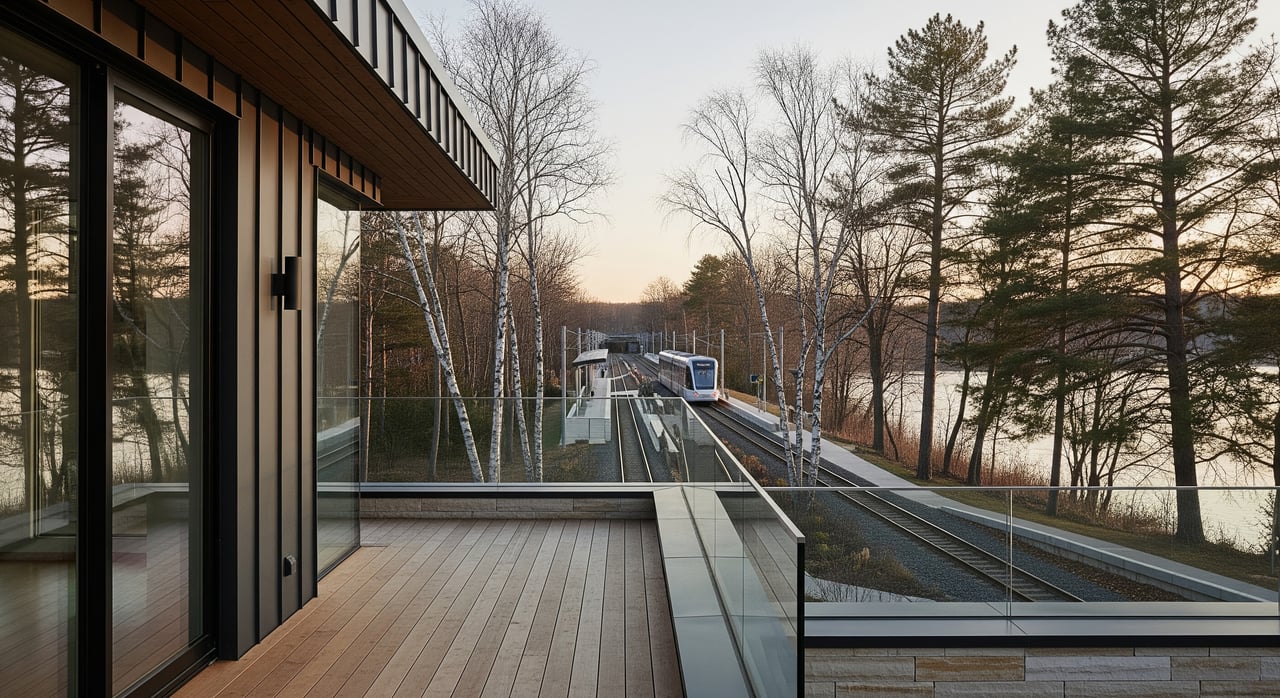
The Southwest LRT, often called the Green Line Extension, extends Metro Transit’s light rail from Minneapolis into the western suburbs. It includes new stations, tracks, park and rides, and walking and biking connections delivered by the Metropolitan Council with Hennepin County and local city partners.

Parts of the corridor pass through or near western Hennepin County suburbs, which means some Minnetonka neighborhoods could gain closer access to rail. Exact station details, construction timing, and service start dates have shifted over time. Before you buy, verify the latest maps and schedule with the Metropolitan Council, Metro Transit, and the City of Minnetonka.

When you review maps, use simple walking buffers around stations to visualize access. A 0.25 mile radius is roughly a 5 minute walk. A 0.5 mile radius is about 10 to 12 minutes. A 1 mile radius is a longer walk or an easy bike. Focus on actual route quality, not just “as the crow flies.”

Commute impacts for Minnetonka buyers

Light rail can improve part of your commute, but the real test is door to door time. Your outcome depends on how you get to the station, how often trains run, and how you reach your final destination.

  • Time savings vary by origin and destination. Rail is often most competitive during peak congestion and when downtown parking is costly or limited.
  • Reliability can improve because trains run on a fixed guideway. Still, plan for occasional track work or transfer delays.
  • Service span and frequency matter. Check planned peak and off peak headways, plus weekend service, to make sure it fits your schedule.
  • Park and ride and feeder buses can make rail realistic for daily use. Station parking capacity and bus connections are key for Minnetonka households.

How to test your commute in 30 minutes

  • Pick a typical workday and departure time.
  • Time a full drive only trip during peak hours.
  • Time a mixed mode trip: drive or bike to the station, add wait time, ride the rail segment, and walk to your office.
  • Compare total minutes, out of pocket costs, and stress level. Repeat for your return trip.
  • If it is close, try it for a full week before changing car ownership plans.

Walkability and neighborhood design

Being “near” a station is not the same as being walkable to it. Within 0.25 to 0.5 mile, you will likely have an easier walk if the route has continuous sidewalks, safe crossings, lighting, and minimal barriers like steep grades or highways.

Stations can attract higher density, mixed use development over time where the city allows it. That might mean more shops, cafes, and multifamily housing near station areas, depending on local zoning and market demand. Check City of Minnetonka station area plans and zoning to see what could be built and when.

Lifestyle trade offs to expect

  • Convenience benefits: quicker access to downtown jobs and entertainment, more options for non drivers, and potential to drive fewer miles.
  • Possible trade offs: more foot traffic, shifts in retail and housing mix, and some change in neighborhood character. These effects vary block by block.

If you plan to bike or walk, review city pedestrian and bicycle plans and station designs for sidewalks, crossings, bike lanes, and secure bike parking.

Noise, vibration, safety, and construction

Rail noise comes from propulsion, wheel and rail contact, station announcements, and horns at crossings unless quiet zones apply. Modern light rail vehicles and track design reduce noise compared to heavy freight, yet distance still matters.

Mitigation tools can include sound walls, vegetated berms, insulated track design, and quiet zones. The project’s environmental documents contain predicted decibel levels at different distances and list mitigation plans. If you are evaluating a home close to the alignment, review the latest noise and vibration reports.

Safety depends on smart design and operations. Good lighting, thoughtful station layouts, and clear crossings support safer walking and biking. Perceptions also play a role for buyers and can influence resale.

Construction is a real factor. Large rail projects can bring multi year phases of noise, dust, detours, and temporary impacts to access. Ask about staging plans for your blocks of interest and consider how timing aligns with your move and resale horizon.

Resale and value considerations

Transit proximity can correlate with a price premium, but results vary by market, distance to station, housing type, and station area design. Buyers who value convenience may pay more for walkable access and amenities. Others may discount homes very close to tracks.

What can lift resale potential

  • Walkable access within about 0.25 to 0.5 mile, supported by good sidewalks and crossings.
  • Reliable, frequent service and predictable travel times.
  • Completed or planned transit oriented development with useful amenities.
  • Strong local demand and limited supply.

What can create risk

  • Homes directly next to tracks without adequate noise mitigation.
  • Loss of on street parking or increased curb competition near stations.
  • Zoning changes that allow much higher density without context sensitive standards.
  • Shifts in neighborhood perceptions that reduce buyer demand.

Timing matters. Values near construction may be more volatile. Benefits often grow after service begins and amenities mature. If you are buying with a transit premium in mind, think in multi year horizons.

Local market intel to gather

  • Recent sales data within 0.25, 0.5, and 1 mile of planned stations versus farther away.
  • Inventory levels and days on market near the corridor.
  • Development applications near station areas.
  • City of Minnetonka economic development updates and any TOD related zoning changes.

Minnetonka buyer checklist

Use this quick checklist during your search and showings.

  • Confirm station locations and timeline
    • Review the latest project maps and the current schedule with the Metropolitan Council, Metro Transit, and the City of Minnetonka.
  • Measure your commute
    • Run door to door trials for drive only, drive plus LRT, and any express bus alternatives during peak hours.
  • Walk and bike the route
    • Check sidewalk continuity, curb ramps, crossings, lighting, and hills on the path you would use.
  • Review noise and vibration
    • Read the project’s noise and vibration technical materials. Within about 500 feet, consider a professional acoustical opinion.
  • Parking and traffic
    • Ask the city about any planned parking changes, permit zones, and projected curb usage near the property.
  • Zoning and development pipeline
    • Review station area plans, parcel zoning, and pending projects that could change the immediate area.
  • Safety and schools
    • Review local police statistics and confirm school boundary stability if those factors are a priority for your household.
  • Construction staging
    • Ask about construction phases that could affect access, utilities, or noise on nearby blocks.
  • Financial and resale
    • Pull comparable sales within station buffers and discuss whether the list price already reflects transit proximity. Review property tax history and any redevelopment financing tools that could affect taxes.
  • Lifestyle fit during showings
    • Measure the actual walking route to the station entrance. Confirm lighting and winter walkability. Check park and ride capacity and bus connections. Ask about planned mitigations like sound walls in your immediate area.

What this means for your search

If you want transit convenience without giving up the Minnetonka lifestyle, a little due diligence goes a long way. Focus on your actual commute, the quality of the walking route, construction timing, and station area plans. The best fit is often a home that is close enough to walk or bike with a comfortable route and useful amenities, yet not so close that noise or parking pressures become daily pain points.

You do not have to navigate this alone. Our team lives and works in the western lake communities, and we help buyers weigh commute trade offs, read station area plans, and spot value drivers that are easy to miss. If you are considering a home near the Southwest LRT, let us build a custom due diligence plan and compare locations side by side.

Ready to talk through your options or test drive a door to door commute plan? Connect with Nicole Stone for a friendly, local walkthrough of your search.
FAQs

Should I only buy within walking distance of a Southwest LRT station?

  • Not necessarily. If daily rail use is essential for you, prioritize 0.25 to 0.5 mile with a good pedestrian route. Otherwise, weigh park and ride access, feeder buses, and your tolerance for activity and noise.

Will a home near the Southwest LRT automatically go up in value?

  • There is no guarantee. Some areas see premiums when walkability and amenities are strong, while homes very close to tracks without mitigations can see smaller gains or discounts.

How long could construction impact a Minnetonka neighborhood?

  • Major rail projects can create multi year construction phases with noise, detours, and access changes. Verify the latest staging plans for the blocks you are considering.

What should I check for noise and vibration before buying?

  • Review the project’s noise and vibration materials, confirm any planned sound walls or quiet zones, and note whether nearby crossings are grade separated or at grade.

Will the Southwest LRT let me drop a car from my household?

  • It depends on your trips and schedule. Test your door to door commute for at least a week and consider how often you need a car for errands, school, or activities before changing ownership.

Work With Us

We pride ourselves in providing personalized solutions that bring our clients closer to their dream properties and enhance their long-term wealth. Contact us today to find out how we can be of assistance to you!