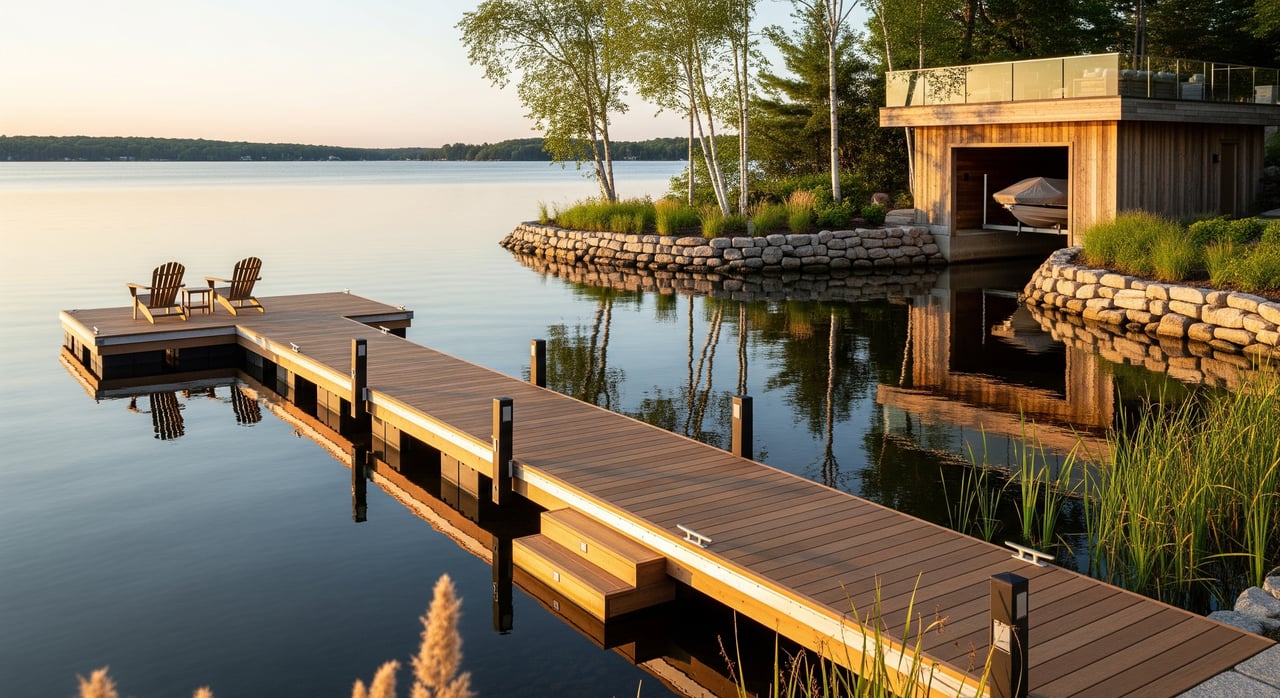
Buying a lake home in Chanhassen and wondering if your dream dock will actually be allowed? You’re not alone. Between state rules, city permits, watershed districts, and HOA covenants, it can feel complex fast. This guide breaks down who regulates what, what usually triggers permits, and the key steps to verify before you buy or build. Let’s dive in.
Who regulates docks and shorelines
Minnesota DNR
The Minnesota Department of Natural Resources (DNR) is the primary state authority for activities in or affecting public waters. If work happens below the ordinary high-water level (OHWL) or changes the lake bed or shoreline, DNR guidance and permits may apply. The DNR also provides direction on docks, boathouses, mooring systems, lifts, and invasive species precautions.
City and county
Carver County and the City of Chanhassen implement shoreland zoning, setbacks, stormwater and impervious surface limits, and rules for shoreline stabilization like riprap. Building, plumbing, grading, and septic permits are handled locally. Cities can add standards beyond county rules.
Watershed districts
Local watershed districts, such as those covering the Riley, Purgatory, and Bluff Creek systems, can add rules and permit programs focused on water quality, buffers, and shoreline restoration. These districts often offer technical guidance and cost‑share programs for native vegetation and stabilization.
HOAs and lake associations
Private covenants and lake association policies can be more restrictive than government rules. They may limit dock size, number of lifts, shared docks, and vegetation changes. Always review those documents early.
Federal authorities
The U.S. Army Corps of Engineers is rarely involved for typical Minnesota lake docks. It can come into play if federal wetlands or navigable waters are impacted by large-scale fill or removal.
DNR rules that often apply
- OHWL and public waters: The OHWL establishes the state’s jurisdictional boundary for public waters. Activities below this level or that affect public waters often need DNR review.
- Public Waters Work Permit: A permit may be required if you place fixed structures, install permanent lifts, or alter the lake bed or shoreline.
- Navigation and access: Docks and lifts cannot unreasonably obstruct navigation or the rights of adjoining riparian owners.
- Seasonal vs. permanent: Moveable, seasonal docks and lifts are often treated differently than permanent, in‑water structures.
- Mooring and lifts: Placement and number can be limited to avoid conflicts and protect aquatic vegetation.
- Boathouses and covers: These usually have stricter limits and may require specific authorization.
- Materials and methods: The DNR promotes practices that protect aquatic plants and sediment, and steps to prevent the spread of invasive species.
- Vegetation impacts: In‑water work that damages native plants may trigger mitigation or permit conditions.
Local rules in Chanhassen
- Shoreland zoning and setbacks: City and county ordinances set structure setbacks from OHWL and cap impervious surfaces. Accessory structures like stairs and platforms have specific rules.
- Stabilization: New or replacement riprap and seawalls are regulated. Soft, biological stabilization and native buffers are preferred and often easier to permit.
- Vegetation removal: Removing shoreline trees and native plants is limited and may require a permit or mitigation plantings.
- Dock specifics: Local rules can regulate dock width/length, distance from side lot lines, number of moorings per lot, and placement near navigation channels.
- Shared docks and easements: Cross‑lot access and shared arrangements are regulated. Some situations require recorded legal agreements.
- Grading and shoreland alteration: Regrading for ramps or access can trigger erosion control and stormwater permits.
- Septic, floodplain, wetlands: Proximity to septic systems and regulated floodplain or wetland areas matters and may limit work.
- Variances: If a plan does not meet standards, you may pursue a variance through public processes.
Protect your shoreline
- Native buffers: Keep or restore native plants along the shore to reduce erosion, filter runoff, and support habitat.
- Soft‑scaping first: Bioengineering methods, coir logs, and native plantings are usually favored over hard treatments like riprap.
- Aquatic vegetation: Removing native aquatic plants is limited. Chemical control may require permits or licensed applicators. Mechanical dredging typically triggers permits and mitigation.
- Invasive species: Clean and inspect docks, lifts, and equipment before moving them between waterbodies to prevent spread of zebra mussels and other invasives.
- Restoration programs: Watershed districts and local partners often offer cost‑share and technical help for shoreline restoration.
Buyer checklist before you offer
Collect these documents:
- Survey or recorded plat showing lot lines, shore frontage, and any dock or access easements.
- Property survey noting the OHWL or elevation. If unclear, plan to have OHWL determined.
- Copies of prior shoreline permits: DNR authorizations, city/county permits, and any variances.
- Deeds or covenants referencing riparian rights, shared docks, or HOA rules.
- Seller or HOA statements on existing docks/lifts, maintenance, and permits.
- Current lake association or HOA rules and any assessments.
Make these verification calls:
- Minnesota DNR regional office: Confirm public water status, existing permits, and whether a new permit is needed for proposed changes.
- Carver County and City of Chanhassen: Confirm shoreland zoning, setbacks, impervious limits, permit types, timelines, and whether floodplain/wetlands apply.
- Watershed district: Confirm buffer rules, restoration programs, and permit coordination.
- Lake association or HOA: Confirm internal rules and shared dock arrangements.
Planning a new dock or changes
Follow a simple sequence:
- Site assessment: Locate the OHWL and note neighboring docks, navigation channels, vegetation beds, and any public access points.
- Concept design: Decide between seasonal vs. permanent systems and identify desired moorings and lifts.
- Agency check‑in: Call DNR, city/county, and the watershed district to understand permit triggers and timelines for your parcel.
- Drawings and details: Prepare a site plan with elevations, cross‑sections showing OHWL, and contractor specifications for any in‑water work.
- Permit applications: Submit to all required agencies. Expect conditions like size limits or mitigation plantings.
- Construction and care: Build to approved plans and follow best practices that protect shoreline vegetation and lake habitat.
Red flags when touring lake homes
- No permit records for a large or permanent‑looking dock or lift.
- Undermined riprap, slope instability, or visible scour along the shore.
- Recently cleared shoreline with little native vegetation.
- Docks or lifts very close to side lot lines or blocking neighbors’ navigation.
- Multiple lifts or canopies that appear to exceed typical local allowances.
Timelines and expectations
Plan for multiple approvals when work occurs near or below the OHWL. Reviews can include public notice or neighbor comments. You may be asked for mitigation plantings or to scale a design. If an existing dock does not meet current rules, you could be required to seek permits, modify it, or remove it. Build in time for design revisions and coordination across agencies.
How we can help
You deserve a clear, coordinated path to enjoy your shoreline with confidence. With deep experience in western Twin Cities lake communities, we help you gather the right records, ask the right questions, and line up trusted surveyors and shoreland contractors. If you are buying, we structure offers that respect permit realities. If you are selling, we help document compliance so buyers feel confident.
Ready to move forward with clarity? Schedule your consult with Nicole Stone Real Estate.
FAQs
Chanhassen lake homes: Do I automatically have the right to place a dock?
- Riparian ownership gives use rights, but you still must follow DNR, city/county, watershed, and any HOA rules.
Chanhassen shoreline: Can I add a boat lift or canopy?
- Possibly, but type, number, size, and placement are often regulated by the DNR and local ordinances, and HOA rules can be more restrictive.
Chanhassen shoreline: Can I remove plants for a beach or stairs?
- Many jurisdictions limit removal and require mitigation plantings. Replacing native vegetation with lawn or sand can increase erosion and violate local standards.
Chanhassen docks: Who enforces if a neighbor blocks navigation?
- Depending on the issue, enforcement can involve the city or county, the watershed district, or the DNR. Complaints usually trigger an inspection.
Chanhassen buyers: What should I verify before closing?
- Confirm OHWL location, prior permits, shoreland zoning and setbacks, watershed rules, and any HOA or lake association restrictions, plus the condition of existing structures.