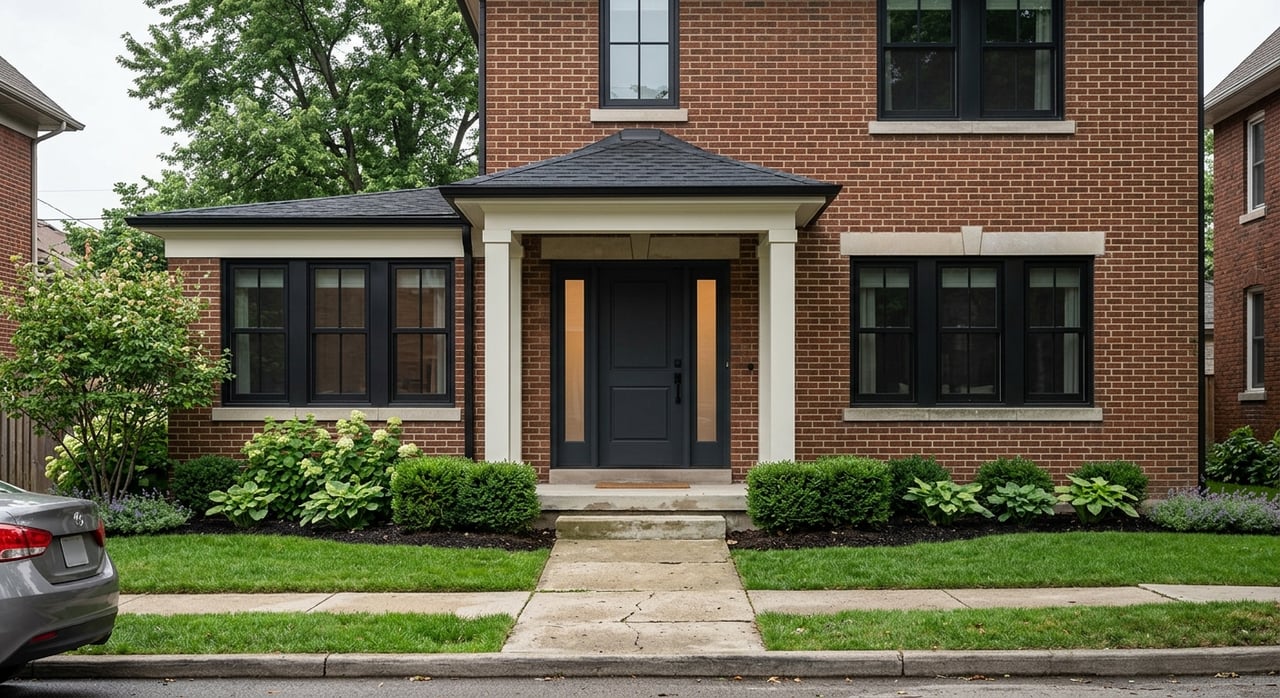
Minneapolis vs West Metro Suburbs: Housing Fit Guide
Wondering whether your next move should land you in Minneapolis or in the west metro suburbs? It is a common Twin Cities question, and the answer usually comes down to how you want to live day to day. If you are weighing housing options, commute patterns, outdoor access, and the upkeep that comes with each setting, this guide will help you compare the tradeoffs clearly. Let’s dive in.
The biggest difference between Minneapolis and west metro suburbs like Minnetonka, Plymouth, and Wayzata is not just city versus suburb. It is how each place shapes your routine.
Minneapolis is larger, denser, and has a much broader housing inventory. According to Census Reporter’s Minneapolis profile, Minneapolis has 428,572 residents and 216,155 housing units, far more than Minnetonka, Plymouth, or Wayzata. That larger scale often means more variety in housing type, neighborhood feel, and transportation options.
By comparison, the west metro suburbs offer a more low-density pattern. Minnetonka has 53,064 residents, Plymouth has 78,545, and Wayzata has 4,354, all with lower population density than Minneapolis. If you want more breathing room, that shift may matter as much as price.
Your home search usually starts with inventory, price point, and housing style. This is where the contrast becomes especially clear.
Minneapolis offers the broadest range of housing in this comparison. The city’s housing plan notes options ranging from single-family homes to high-density apartments and condos, with policies that allow multifamily housing near transit and added housing units in primarily single-family areas.
That variety can be helpful if you want flexibility in both budget and home style. The City of Minneapolis housing plan lists the median owner-occupied value at $368,300, which is lower than the west metro cities in this comparison.
Minnetonka and Plymouth lean more suburban, but they do not look exactly the same. Minnetonka’s city plan shows that 54% of housing units are single-family homes and 35% are multifamily, with the rest made up of townhomes and smaller multi-unit options.
Minnetonka’s median owner-occupied value is $475,800, while Plymouth’s is $517,000. Plymouth also emphasizes a housing supply that is diverse by ownership, price, type, and style, which gives buyers some flexibility within a suburban setting. You can review Minnetonka’s data in its comprehensive planning document and Plymouth’s figures through Census Reporter.
Wayzata is a very different search experience. Inventory is much smaller, and the price point is significantly higher.
Wayzata has 2,355 housing units and a median owner-occupied value of $1,153,400, according to Census Reporter. Its land-use pattern includes low-density residential areas, with higher-density housing closer to the core, making it a fit for buyers who want a smaller-market setting and are comfortable with limited inventory.
Where you live affects more than your address. It shapes how you get to work, run errands, and move through your week.
If you want more ways to get around without always driving, Minneapolis stands out. The city’s Transportation Action Plan says that in its 2019 baseline, 40% of trips were driving alone, 19% were walking or biking, 13% were transit, and 28% were carpooling.
That makes Minneapolis the most multimodal option in this comparison. Its mean travel time to work is 22.8 minutes, which is a useful benchmark if access matters more to you than a lower-density setting.
Minnetonka is more drive-oriented. Its city plan reports that 71% drove alone in 2021, 4% used public transit, and 14% worked from home, with a mean travel time of 19.3 minutes.
Plymouth also has a suburban commute pattern, but with useful options layered in. The city’s transit services page highlights express buses to downtown Minneapolis, reverse commuter service, local Click-and-Ride service, and park-and-ride lots. Its mean travel time is 21.7 minutes.
Wayzata is smaller and more corridor-based. The city notes it is about 11 miles from downtown Minneapolis and near the I-494/394 corridor, with access to a park-and-ride facility in the Wayzata Boulevard area, according to the city’s About Wayzata page. Mean travel time is 18.3 minutes.
For many buyers, recreation is not a bonus. It is part of the decision.
Minneapolis has the broadest city-run recreation network in this group. The city says its parks and recreation system includes 180 parks, 55 miles of biking and walking paths, 22 lakes, 12 gardens, seven golf courses, and 6,800 acres of parkland.
If you want a lot of public options spread across the city, Minneapolis gives you that scale. It can be a strong match if you like variety and easy access to different kinds of outdoor spaces.
Minnetonka’s recreation pattern is more dispersed. Its plan states that 12% of land is parks and recreational use and 4% is open water, which helps explain why outdoor access often connects to neighborhood parks, trails, and water-oriented amenities.
Plymouth stands out for its trail system. The city’s parks and trails page says Plymouth has 188 miles of city, state, and regional trails and 1,834 acres of park land, plus beaches, dog parks, community gardens, and the Northwest Greenway.
Wayzata has the most lakefront-centered identity of the group. The city highlights its location on the north shore of Lake Minnetonka, along with Wayzata Beach, the marina, and the Panoway project designed to strengthen public lakefront access and connections to the trail system.
This is one of the most overlooked parts of choosing where to live. Your maintenance expectations can change a lot between Minneapolis and the suburbs.
In Minneapolis, property owners are expected to clear sidewalks within 24 hours after snowfall for single-family homes and duplexes, and within four daytime hours for other properties. The city also uses snow emergencies and winter parking restrictions, and notes that it averages 10 to 15 snow events per winter that require major city effort.
That means city living often comes with more sidewalk-focused responsibilities and closer coordination with public snow rules. You can review the details on the city’s sidewalk snow clearing page.
Plymouth requires homeowners to clear adjacent sidewalks within 48 hours, while the city handles a large share of road and trail snow management. Plymouth says it maintains about 123 miles of trails for snow removal and aims to clear streets and cul-de-sacs within about nine hours after snow stops falling under its snow policy.
Minnetonka is the strongest example here of a yard-heavier suburban setup. Its land-use pattern includes a large share of low-density residential uses, and the city notes that residential water use is heavily tied to irrigation, which points to more lawn and landscape upkeep than a denser city setting.
Wayzata brings a more hands-on property feel as well. The city’s winter guidance includes snow emergency parking rules after 2 inches, reminders not to push snow across the street, and direction to keep hydrants visible and make sure someone can remove snow or mow the lawn when you are away.
If you are trying to narrow the search radius, a simple framework can help.
For most buyers, the choice is less about picking the “better” location and more about choosing the kind of daily rhythm that feels right. Minneapolis tends to offer more housing variety, stronger multimodal transportation, and a larger shared public-space system. The west metro suburbs tend to offer more low-density space, more driving, and more private-property upkeep.
If you are moving within the Twin Cities or relocating to the area, the best next step is to compare your budget, commute needs, and maintenance comfort level against the lifestyle each location supports. When you line those up early, your home search becomes much clearer.
If you want help comparing Minneapolis with Wayzata, Minnetonka, Plymouth, or other west metro options, Nicole Stone can help you narrow your search with local insight and a tailored plan that fits your move.
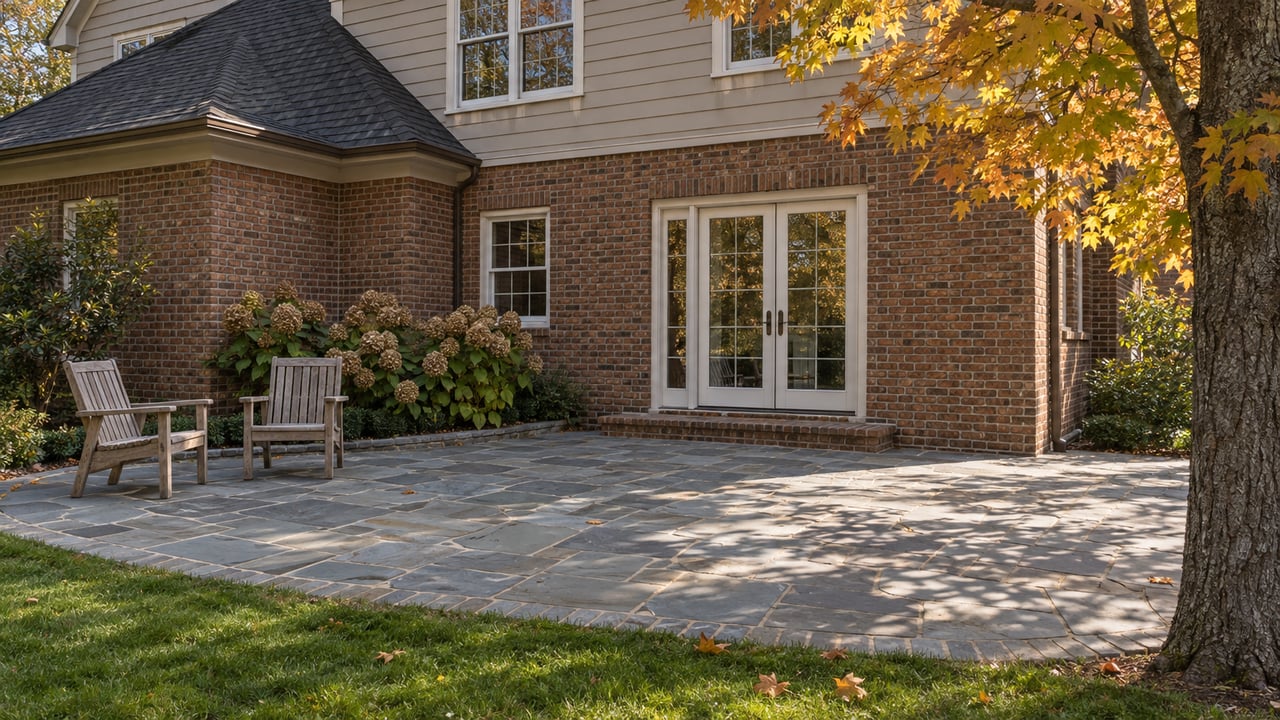
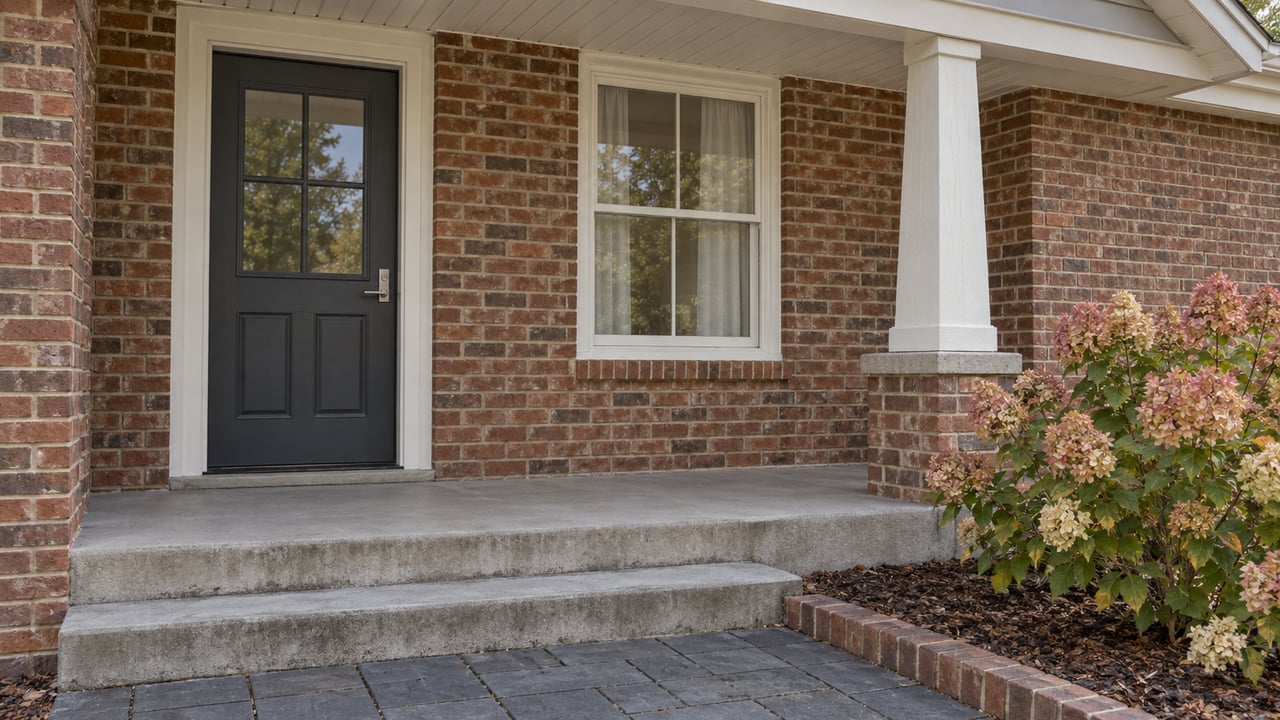
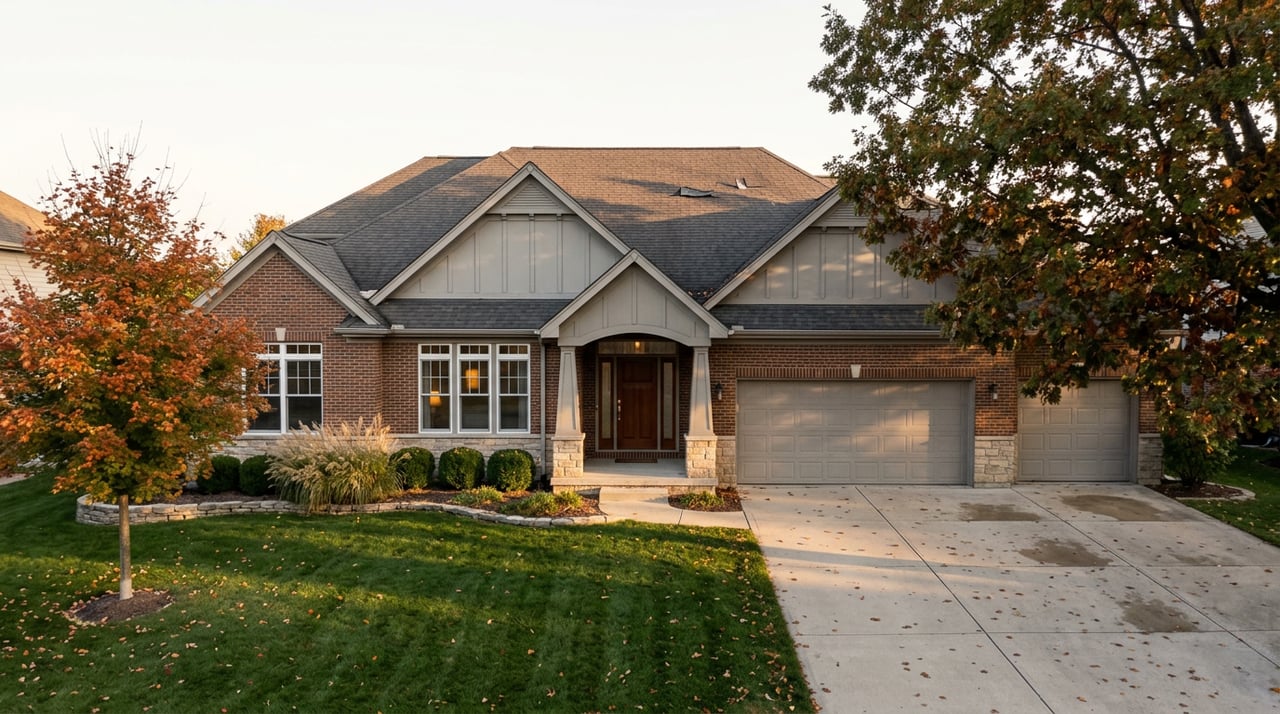


We pride ourselves in providing personalized solutions that bring our clients closer to their dream properties and enhance their long-term wealth. Contact us today to find out how we can be of assistance to you!