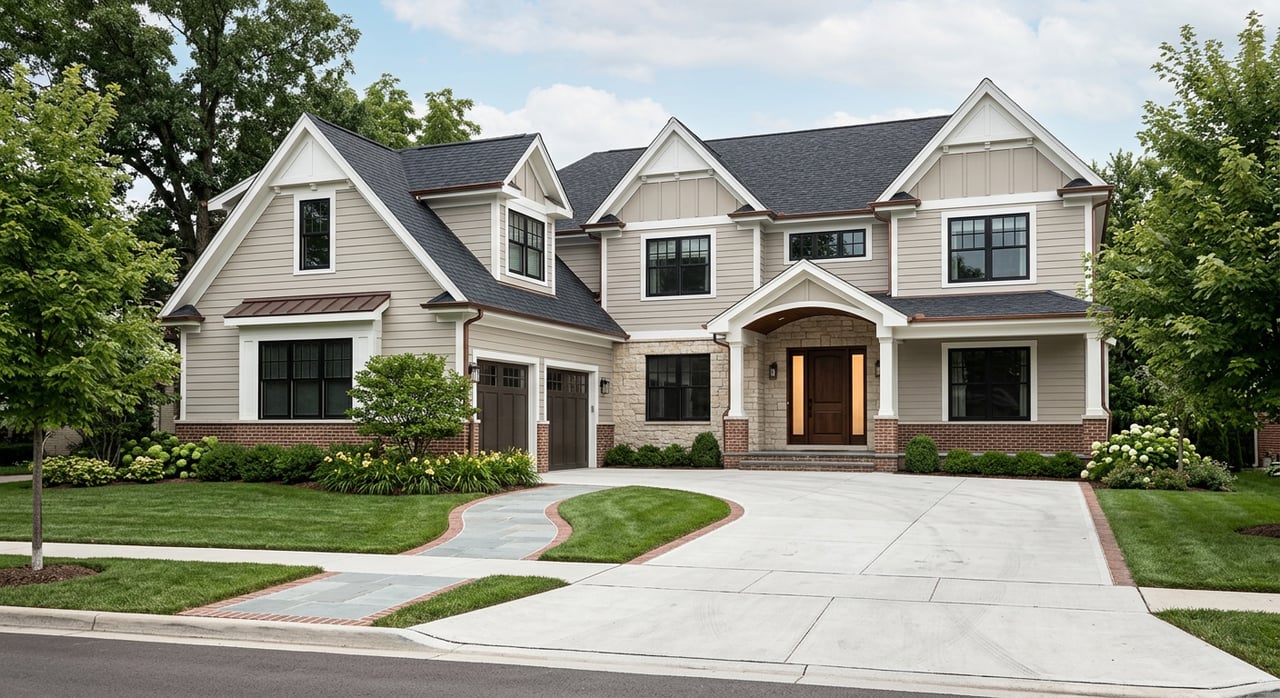
Orono MN Luxury Real Estate & Lakefront Seller Guide
Thinking about selling your Orono lakefront home? You already know lakeshore is special in our market, and that means buyers expect more, ask deeper questions, and make decisions fast when the right property appears. With the right plan, you can capture peak demand, present your shoreline at its best, and protect your price. This playbook gives you a clear path: pricing strategy, documentation, permits, staging and media, timing, and a week‑by‑week prep checklist built for Lake Minnetonka. Let’s dive in.
Orono sits on Lake Minnetonka and reads as a high‑price, luxury market. Market trackers consistently show many Orono listings in the seven‑figure range with a significant share of multi‑million‑dollar estates. Because list and sale metrics vary by source, use ranges and recent sold comps instead of a single median.
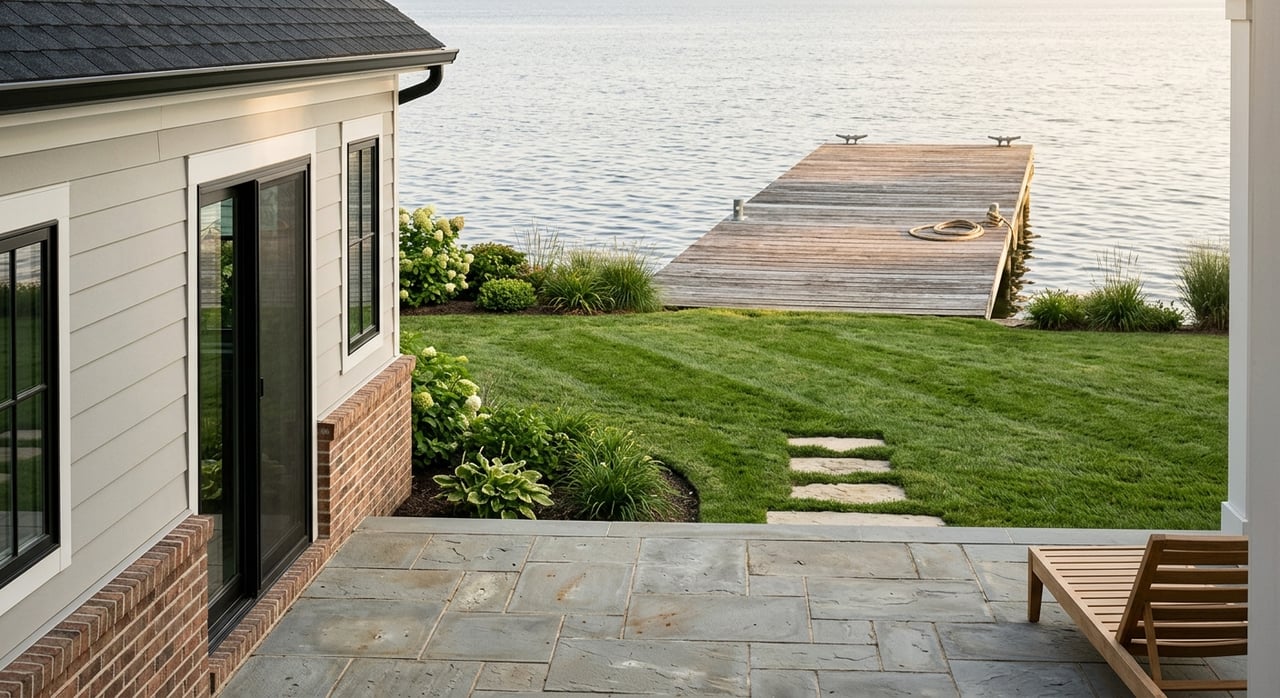
In this segment, you are not only selling a home. You are selling water access, views, and the daily lake experience. Buyers weigh frontage length, open‑water exposure, dock capacity, and water depth at the slip as core value drivers, not extras.
Buyer activity for waterfront properties peaks in spring and early summer. National analyses point to a mid‑April window that tends to deliver more views and faster sales, with local timing adjusted to ice‑out and shoreline access. If you can prep by early spring so the dock and shoreline are show‑ready, you’ll meet buyers right when they visualize summer on the lake.
Luxury lake buyers often arrive with significant equity or cash, which can shorten timelines and favor turnkey properties. Industry research highlights a strong presence of high‑equity and all‑cash buyers in the upper tiers, shaping negotiations and closing speed. You’ll want proof of funds early and a clean, inspection‑ready property to keep these buyers engaged. NAR’s profile of buyers and sellers provides helpful context on this trend.
Waterfront buyers are motivated but specialized. Because comparable lakefront sales are fewer, aspirational overpricing can stall momentum. Academic research on water‑amenity premiums shows values swing widely based on objective attributes like frontage, view, and water clarity, so pricing must be tied to site‑specific features rather than broad averages. See this peer‑reviewed overview on water quality and property value relationships for context: analysis of water clarity and home values.
Start with a Lake Minnetonka‑focused CMA that prioritizes your specific bay, arm, or point. Weight comps with similar frontage length, shoreline orientation, and open‑water exposure. Note recent closed lakefront sales over general suburban comps.
Adjust for the features buyers pay for on the water:
Use documented attributes and recent closed sales to support your list price. This keeps your pricing defensible under appraisal and during negotiation.
Assemble a clean, complete packet before you go live. It speeds decisions and builds trust.
A pre‑listing home inspection helps surface repair items before buyers see them. For lakeshore, add a marine or shoreline assessment to document dock integrity, lifts, bulkheads, and retaining structures.
If you have a septic system, check whether your local government or lender requires a compliance inspection. The state’s SSTS guidance clarifies when disclosure is sufficient and when a compliance check is needed. Share results and estimates up front to reduce renegotiations.
Luxury buyers scrutinize waterfront imagery. Plan for premium interior and exterior photography, aerial drone coverage, twilight exteriors, and a cinematic video. Boat‑based footage that showcases approach, depth, and views can be especially persuasive on Lake Minnetonka. Shoreline resources like the LMCD reinforce how water features drive decisions.
Professional staging highlights flow, sightlines to the water, and outdoor living zones. Industry research indicates staging can reduce time on market and lift offers at the margin. See NAR’s summary of staging benefits: home staging boosts sale prices and reduces time on market.
Reach local high‑net‑worth buyers and relocating households, then extend nationally through established luxury channels. Private previews for qualified buyers and thoughtful social and print placements can attract attention while respecting privacy. For select properties, limited off‑market exposure through vetted networks can be effective when combined with a tight timeline and clear pricing.
Aim for an early‑spring launch, with prep work beginning in late winter. Align photography and first showings when shoreline is accessible and docks can be installed or visualized. You can offer flexible private showings and, if appropriate, guided boat tours for qualified buyers to demonstrate navigation, depth, and access.
Expect strong documentation requests and due diligence. Line up proof of permits, surveys, system service logs, and inspection reports to streamline attorney or lender review. For personal property like lifts, docks, or boats, specify inclusions, exclusions, and any licenses in writing so there is no ambiguity at closing.
Cash or high‑equity buyers may ask for faster timelines in exchange for price certainty. A turnkey, well‑documented property gives you leverage to protect value while staying flexible on logistics that matter to the buyer.
Use this quick list to stay on track:
Selling on Lake Minnetonka rewards careful planning and polished presentation. With a lake‑smart strategy and the right team, you can list with confidence and move on your timeline. If you want a concierge path from prep to closing, connect with Nicole Stone to map your sale.
We pride ourselves in providing personalized solutions that bring our clients closer to their dream properties and enhance their long-term wealth. Contact us today to find out how we can be of assistance to you!