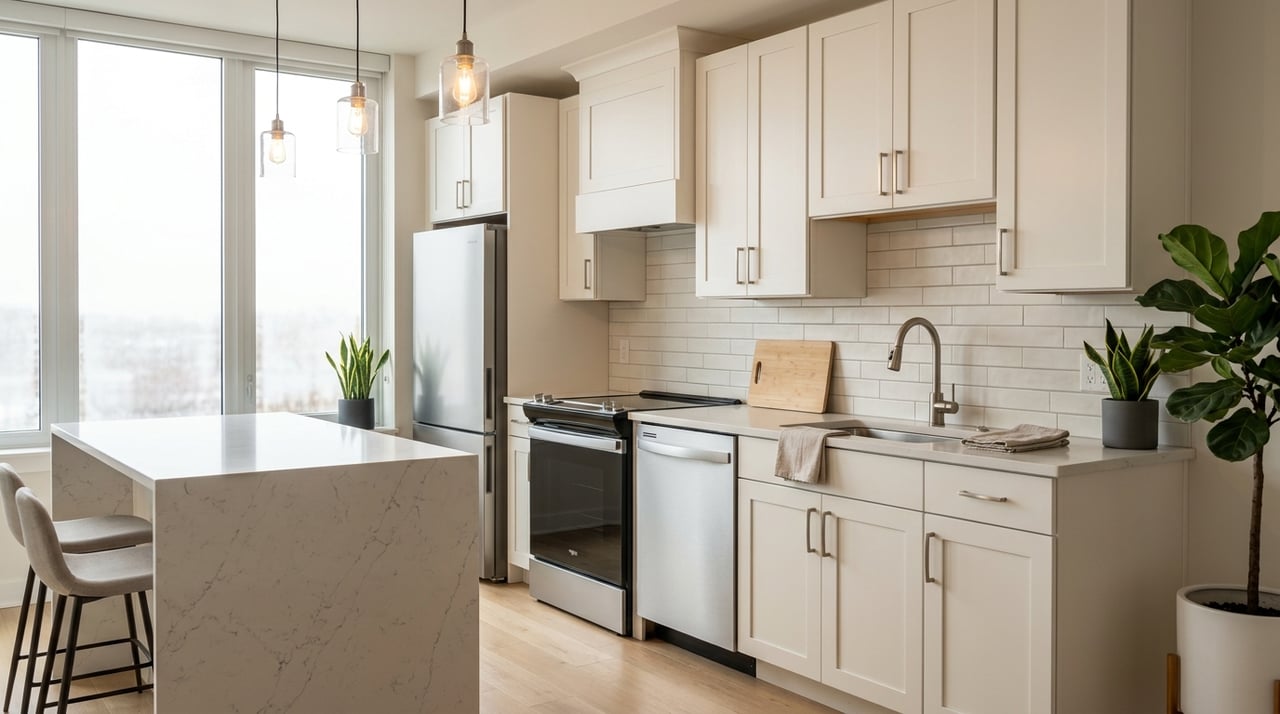
First-Time Homebuyer Guide for Buying in Minneapolis
Ready to buy your first home in Minneapolis? It can feel exciting, overwhelming, and a little fast all at once, especially in a city where some homes move quickly and every neighborhood has its own personality. The good news is that when you break the process into clear steps, you can make smart decisions with more confidence and less stress. Let’s walk through what to do before you buy, how to shop wisely, and what to expect on the way to closing.
Before you browse listings, get clear on what homeownership will cost you each month. That means looking beyond the mortgage payment and factoring in property taxes, insurance, closing costs, moving expenses, furniture, and likely repairs.
A lender may approve you for more than feels comfortable in your day-to-day budget. As a first-time buyer, it helps to focus on a monthly payment that still leaves room for savings, routine expenses, and the unexpected. That approach gives you more flexibility after you move in.
Your credit score can affect both loan approval and your interest rate. Steady income, manageable debt, and savings for upfront costs also play a big role in how prepared you are to buy.
If you are planning to apply for a mortgage soon, avoid taking on other new credit right before the process. Even small changes can affect your credit profile at a time when lenders are reviewing it closely.
Shopping for a mortgage is one of the most important early steps. If you submit the required information, each lender must send you a Loan Estimate within three business days, which gives you a consistent way to compare costs and terms.
Looking at more than one lender can help you understand your options and avoid choosing based on rate alone. Fees, monthly payment structure, and loan type all matter.
If your income and purchase price fall within program limits, Minnesota Housing’s Start Up program is worth a close look. The current guidelines list income limits up to $156,100 by county, purchase price limits up to $515,200 in the 11-county metro, and down payment and closing cost loans up to $18,000.
This program also requires homebuyer education before closing, which can be helpful if this is your first purchase. If you exceed the Start Up limits, Minnesota Housing says Step Up may be another option to explore.
Minnesota Housing notes that a homeownership advisor can help you figure out whether you are ready to buy without impacting your credit. That can be a smart first move if you want guidance before formally applying for a loan.
For many buyers, a short planning conversation now can prevent bigger problems later. It is much easier to adjust your budget and timeline before you are under contract.
Minneapolis is not a one-size-fits-all market. The city has 83 residential neighborhoods, and each one can offer a different mix of housing types, pricing, lot sizes, and overall feel.
That matters because your first home search should be neighborhood-specific, not just citywide. A condo in one area, a bungalow in another, and a townhome elsewhere may all fit the same budget but lead to very different ownership experiences.
Recent city-level market data showed a median sale price of $365,000 and an average of 21 days on market over the three months ending May 2026. That suggests some homes can move quickly, especially if they are well-priced and well-prepared.
Minneapolis also has an owner-occupied housing rate of 47.7%, with a median owner-occupied home value of $362,200 based on recent Census estimates. Those numbers help set expectations for first-time buyers entering the market.
Once you narrow your preferred neighborhoods, dig into the public records before you get too attached to a home. Minneapolis property information can show neighborhood, ward, building and zoning details, sales history, valuation history, tax and assessment information, lead paint status, and energy data.
Hennepin County property records can add tax statements, assessment values, parcel descriptions, and recently recorded documents. Reviewing these details early can help you spot questions before you make an offer.
First-time buyers often focus on the list price and forget to study the tax picture. Property taxes affect your monthly payment, especially if they are escrowed through your mortgage.
Before you offer, make sure you understand what the current taxes and assessments look like. This is one of the easiest ways to avoid budget surprises later.
Minneapolis has many older homes, and that is part of the city’s appeal. It also means you need to look carefully at age-related issues before you commit.
The City says lead-based paint is primarily found in homes built before 1978. The Minnesota Attorney General’s consumer guidance also flags radon, lead paint, and asbestos as hidden issues that inspections can uncover in Minnesota homes.
Minneapolis has more than 200 landmarks and historic districts. If a home is locally designated, the City says future exterior alterations may need review and approval.
That does not automatically make a home a bad fit. It simply means you should understand any renovation limits before you buy, especially if you are already dreaming about updates.
If you are considering a condo, townhome, or other common-interest community, look beyond the unit itself. The Minnesota Attorney General advises buyers to review the declaration, bylaws, rules, current budget, financial statement, reserve funding, dues, and any pending lawsuits.
Association dues can also affect loan qualification, so this is not just a lifestyle decision. It is a financial one too.
Use this checklist when you are evaluating a property with an association:
A lower purchase price does not always mean lower monthly cost. Make sure the full picture works for your budget and goals.
When you find the right home, speed matters, but so does protecting yourself. A thoughtful offer should reflect your budget, the home’s condition, and the realities of the local market.
A professional home inspection is one of the best protections you can build into the process. It can reveal structural, mechanical, environmental, or other problems before you are fully committed.
Consumer guidance recommends scheduling the inspection as soon as possible so there is time to address issues. In Minnesota, inspection contingencies may allow you to cancel the purchase or renegotiate if the inspection or appraisal reveals significant concerns.
This is especially important for older Minneapolis homes, where hidden issues may not be obvious during a showing. The goal is not perfection. It is clarity.
Once you are under contract, the process becomes more paperwork-heavy, but the key steps are manageable when you know what is coming. One of the most important documents is the Closing Disclosure.
You should receive the Closing Disclosure at least three business days before closing. Review it carefully so you understand your final loan terms, cash needed to close, and any changes from earlier estimates.
Before closing, complete a final walk-through of the property. This is your chance to confirm that agreed repairs were completed and that included items are still in place.
Think of it as your final verification step. If something is off, it is better to raise it before the transaction is complete.
After you buy and move in, do not overlook homestead status. Hennepin County says you may save money on property taxes if you own and occupy the home year-round and apply by December 31.
Property taxes in Hennepin County are generally due May 15 and October 15. Even if your taxes are included in your mortgage payment, it still helps to understand the timing and how your escrow works.
Buying your first home in Minneapolis is a big milestone, but it does not have to feel chaotic. If you start with a realistic budget, compare lenders, research neighborhoods carefully, and protect yourself during inspections and closing, you can move forward with much more confidence.
Having a trusted local guide can make the process smoother from day one, especially when you are balancing timing, financing, and neighborhood fit. If you are thinking about buying your first home in Minneapolis, connect with Nicole Stone for a clear, personalized plan.


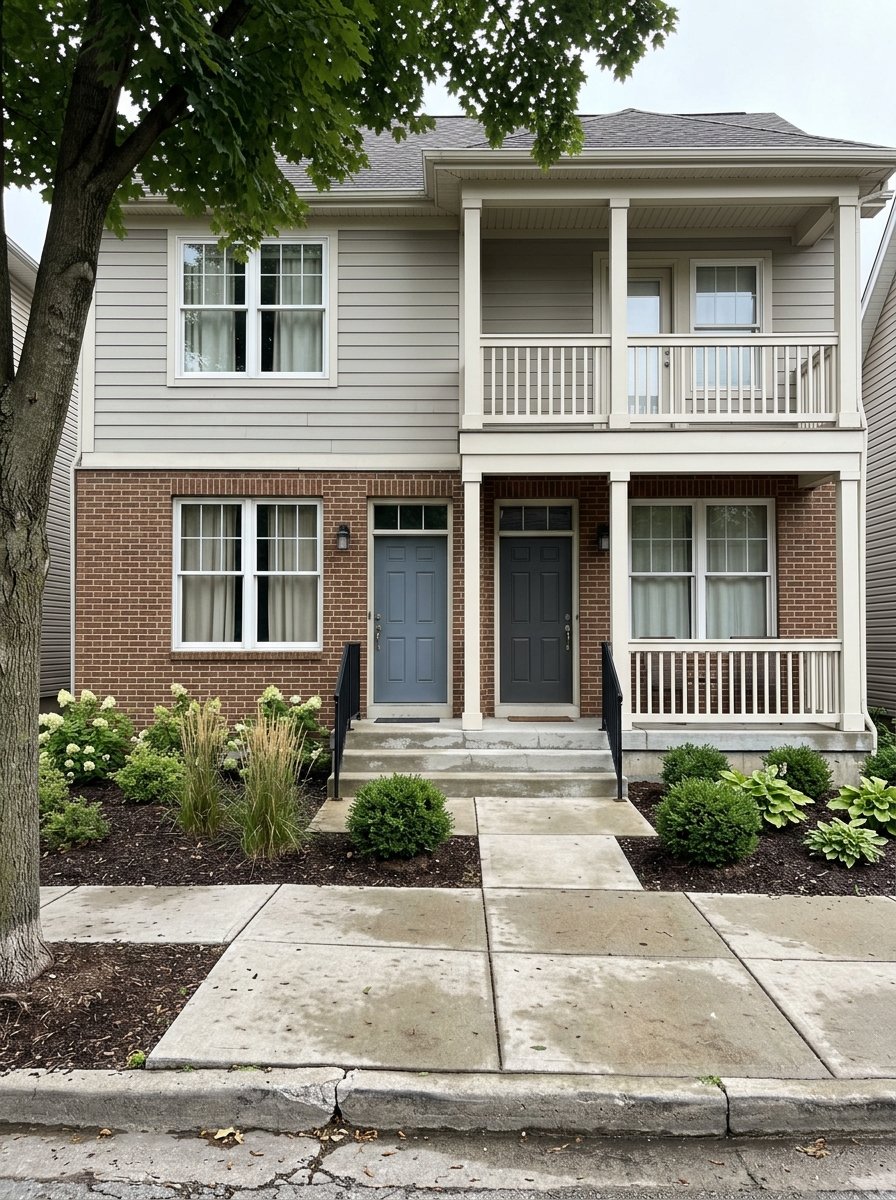
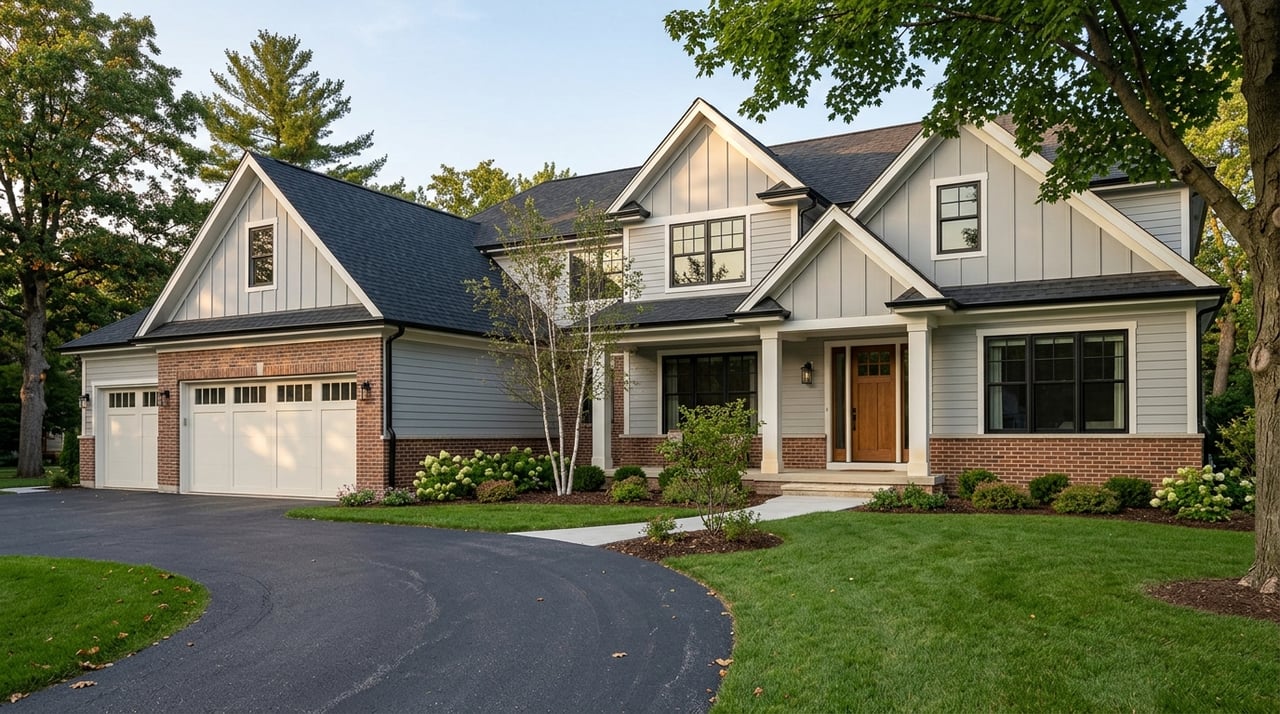
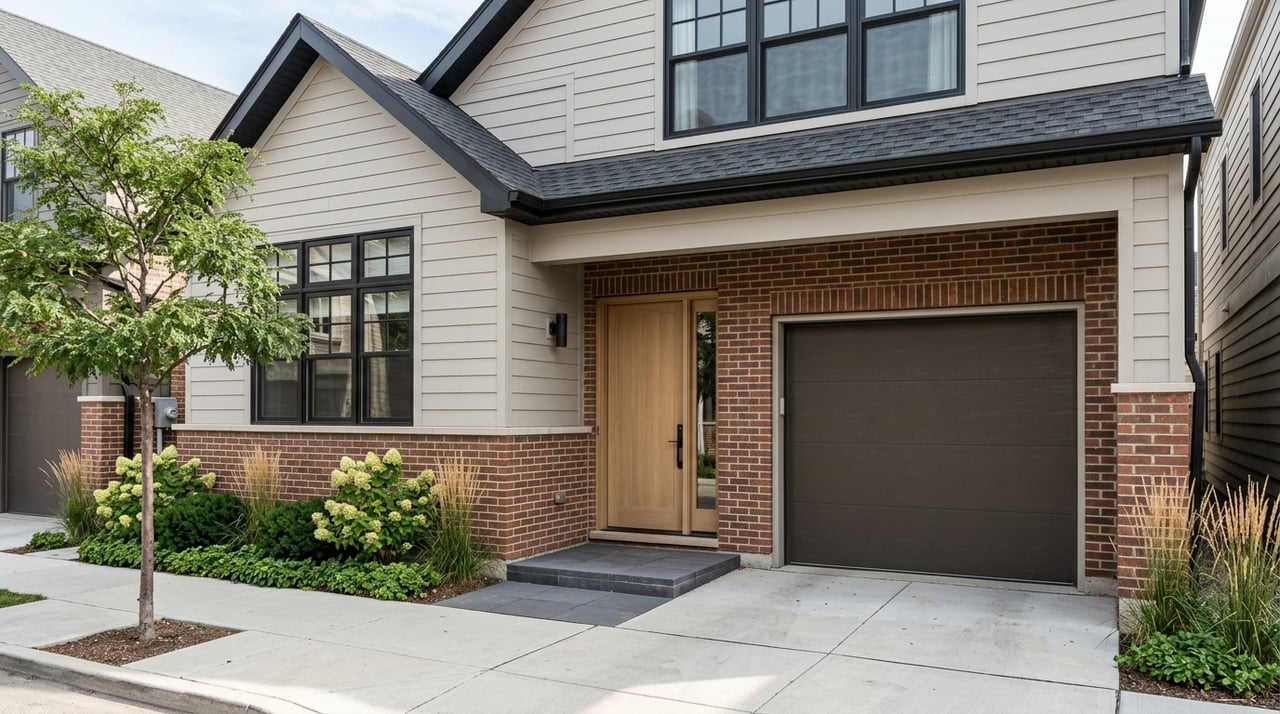
We pride ourselves in providing personalized solutions that bring our clients closer to their dream properties and enhance their long-term wealth. Contact us today to find out how we can be of assistance to you!