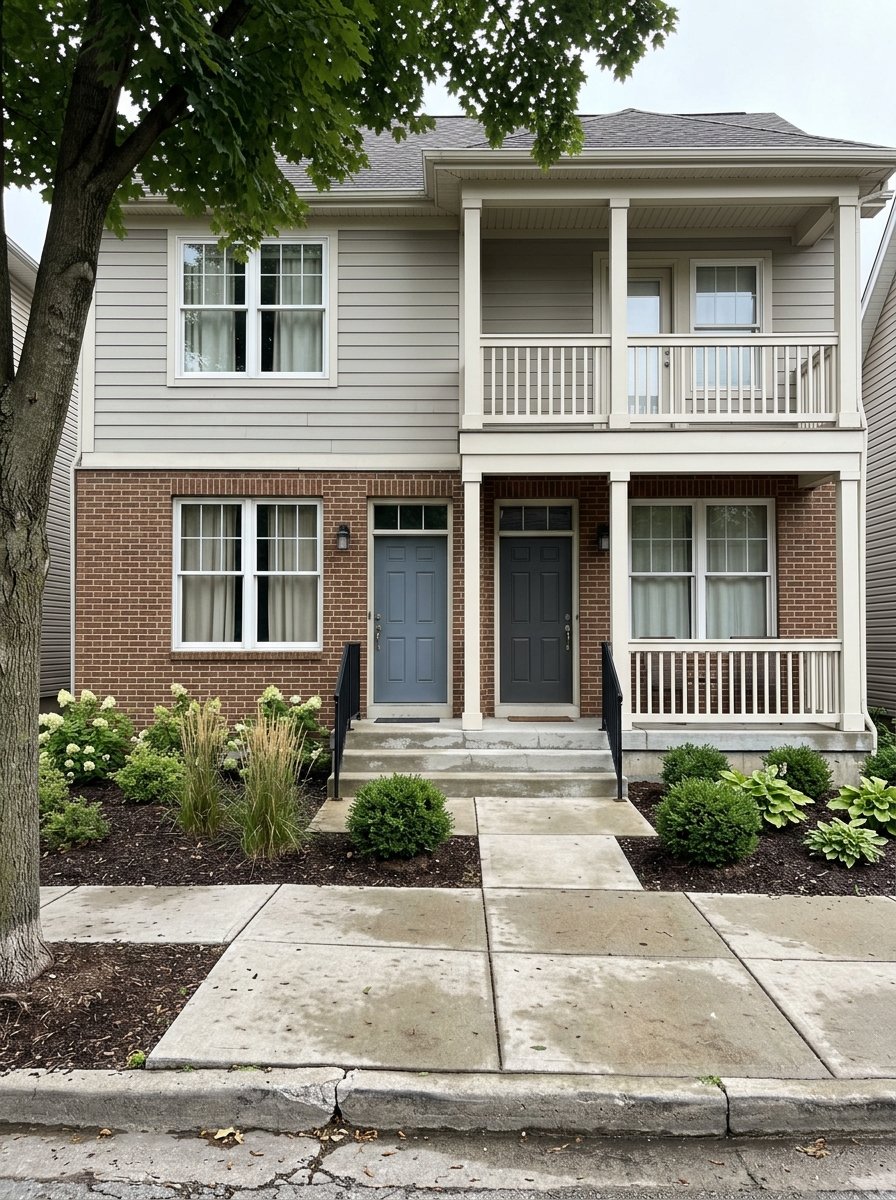
Buying a Duplex or Triplex in Minneapolis, MN
Buying a duplex or triplex in Minneapolis can look like a smart way to lower your housing costs, create rental income, or build long-term flexibility. It can also come with more moving parts than a typical single-family purchase, especially when you factor in licensing, property condition, and future plans for the building. If you are weighing whether this path fits your goals, this guide will help you understand what to watch for before you buy. Let’s dive in.
In Minneapolis, duplexes and triplexes fall under the city’s missing middle housing materials. In simple terms, a duplex has two separate homes on one lot, and a triplex has three.
That sounds straightforward, but each property still needs to be evaluated based on its parcel, zoning rules, and lot requirements. If you are considering a purchase because you hope to build, convert, or expand later, those property-specific details matter right away.
These properties are a meaningful part of Minneapolis housing stock. A city analysis using 2020 parcel and rental licensing data found 23,156 duplex and triplex units out of 208,653 total housing units, or about 11.1% of the city’s housing stock.
That same analysis shows duplexes and triplexes play a large role in the city’s rental landscape. They represented 43.8% of licensed rental buildings and 19.5% of licensed rental units.
If you are starting your search, older, built-out parts of the city are often where you will want to focus. The largest counts of small-building rentals were found in Powderhorn, Northeast, and Near North, according to the city analysis.
A duplex or triplex in Minneapolis is often much older than you might expect. The city’s analysis found duplex and triplex rentals averaged 101.8 years old, and 97.9% were built before 1980.
Older does not automatically mean problematic. It does mean you should go in with your eyes open and expect closer review of big-ticket items like major systems, upkeep, and signs of deferred maintenance.
This is one reason these purchases benefit from careful planning. A property that looks appealing on day one may still need near-term work, and that can affect your budget, financing, and timeline.
For many buyers, the biggest appeal is living in one unit and renting the others. That setup can offer flexibility, but it also comes with city rules you should understand before closing.
Minneapolis requires a rental license for any dwelling unit the owner is not occupying. That applies even if a relative lives there or no rent is paid, and vacant units advertised for rent also need a license.
After you buy a rental property, you must apply within 60 days of closing. The city also charges a $450 change-of-ownership inspection fee for duplexes, triplexes, and fourplexes.
Ongoing licensing costs can vary because Minneapolis uses a tiered rental license billing structure. Fee levels depend on unit count and property condition, so it is smart to factor that into your ownership costs from the beginning.
If you plan to live in one unit as your primary residence, homestead classification may be important to your budget. Minnesota says homestead classification requires ownership, occupancy as your sole or primary residence, and Minnesota residency.
Applications are due to the county assessor by December 31 for taxes payable the following year. The state also says that when one unit of a duplex or triplex is used for homestead purposes, the entire property is treated as homestead property.
That can matter because homestead classification can reduce taxable market value through the homestead market value exclusion. If owner-occupancy is part of your plan, this is one of those details worth handling early and correctly.
The purchase price is only one piece of the puzzle. Closing costs typically run about 2% to 5% of the purchase price, separate from your down payment.
You will also want room in your budget for repairs, property taxes, insurance, moving costs, furniture, and improvements. With an older Minneapolis duplex or triplex, repair planning is especially important.
A simple way to think about it is this: buying a small multi-unit property usually asks for a wider financial cushion than buying a similarly priced single-family home. That does not make it a bad move. It just means your numbers need to be realistic.
Many buyers are surprised to learn that financing options may still be available for owner-occupied 2- to 4-unit properties. The research report notes that FHA financing can allow down payments as low as 3.5% on 1- to 4-unit properties.
The report also notes that Freddie Mac offers products for 2- to 4-unit owner-occupied primary residences, and Fannie Mae allows rental income from a 2- to 4-unit principal residence occupied by the borrower to be used in qualifying under certain documentation rules.
The key takeaway is not that every buyer will qualify the same way. It is that underwriting for a duplex or triplex can differ from a standard single-family purchase, so you will want to speak with a lender who regularly handles 2- to 4-unit properties.
Some buyers look at a property and think ahead. Could a single-family home become a duplex later? Could a duplex become a triplex?
In Minneapolis, converting a single-family home or duplex into a triplex is considered a major project. The city requires zoning and plan review, a building permit, and construction documents prepared by a Minnesota-licensed architect.
After the work is approved, the city issues a certificate of occupancy. In other words, future conversion plans are possible in some cases, but they are not casual weekend projects.
Before you make an offer, it helps to pressure-test the property against your real goals. A duplex or triplex can be a strong fit, but only if the building, budget, and rules line up with how you plan to use it.
Here are a few smart questions to ask:
A Minneapolis duplex or triplex often works best for buyers who want flexibility and are comfortable with a few extra layers of planning. You may like the idea of offsetting housing costs, creating rental income, or securing extra space for changing life needs.
It can also be a fit if you are open to older housing stock and understand that character often comes with maintenance. The right purchase is usually less about chasing a trend and more about matching the property to your finances, timeline, and comfort level.
Small multi-unit purchases can look simple from the outside, but the details matter. Licensing rules, age-related condition issues, financing differences, and zoning questions can all shape whether a property feels like an opportunity or a headache.
That is why many buyers benefit from a clear, local strategy before they shop seriously. When you know what to check early, you can move faster on the right property and avoid surprises on the wrong one.
If you are considering a duplex or triplex in Minneapolis, working with an experienced local team can help you sort through property condition, search strategy, and next steps with confidence. When you are ready to talk through your goals, connect with Nicole Stone for a personalized consultation.
We pride ourselves in providing personalized solutions that bring our clients closer to their dream properties and enhance their long-term wealth. Contact us today to find out how we can be of assistance to you!